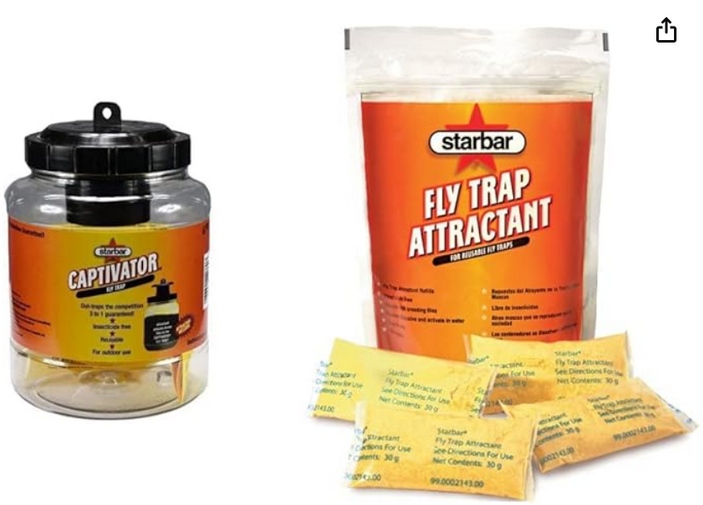
Recently, I decided to try out the Starbar Captivator Fly Trap, and I was genuinely impressed with how effective it turned out to be. After using it for a while, I had to refill the trap because it really worked! It’s simple to set up, but if you’re sensitive to strong smells, beware—it has an incredibly awful odor that can be overwhelming. I would definitely recommend setting it up outdoors, far away from any living areas.
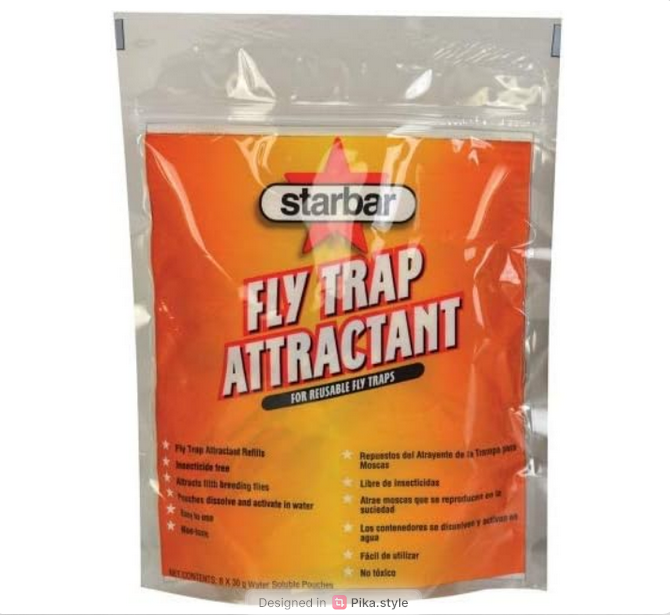
The process to use the trap is pretty straightforward. You just cut open the refill pouch, drop it into the container, and add water to a specific line. Once you shake it up, the mixture dissolves, turning into a weird color. From there, you hang it up outside where flies can easily find their way in. The instructions are easy to follow, but one major tip is to avoid getting any of the mixture on your skin—it’s seriously gross and smells awful.
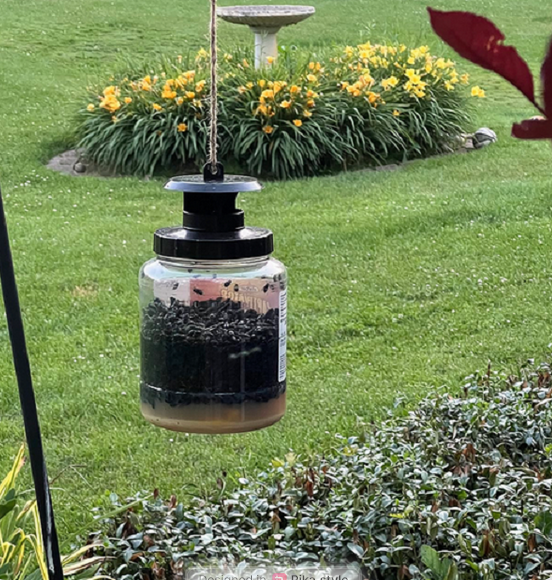
What I loved most is how well it works at attracting and trapping flies. I hung the trap near my chickens, and within no time, flies were flocking to it. The flies go in, get trapped, and eventually die inside the container, keeping them away from me and the animals. It might smell terrible, but the result is worth it if you’re dealing with a fly problem.
Key features
- Effective Attractant: Utilizes a patented food and sex attractant that is irresistible to flies.
- Reusable Design: Can be washed and reused, promoting sustainability.
- Large Capacity: Holds up to 2 quarts of trapped flies.
- Easy Setup: Quick to set up by mixing the attractant with water.
- No Harsh Chemicals: Safe for use around children and pets, as it contains no insecticides.
- One-Way Entry System: Flies can enter but cannot escape once trapped.
- Ideal for Outdoor Use: Designed specifically for outdoor environments, such as barns.
Customer review
My Battle with Flies: The Starbar Captivator Experience
Flies—those relentless invaders of peace. If you have backyard chickens like we do, you know exactly what I mean. Chickens, though delightful in their egg-laying generosity, have an equally generous habit of… well, let’s just say they leave a lot behind. Add in their love for spinach and berries, and you’ve got a nonstop production of messy, liquidy chicken poop—practically an all-you-can-eat buffet for flies.
As summer rolled in, the heat only made things worse. With our dog darting in and out, flies found an open invitation through our back door. Suddenly, I found myself fighting off swarms not only in the yard but inside the house. We tried everything: daily poop cleanup, dusting diatomaceous earth, fly paper hanging like some kind of insect art gallery—nothing made a dent.
Until Starbar Captivator entered the scene. I figured, why not? Desperation calls for drastic measures. It was time to see what this trap was made of.
Wearing disposable gloves (because, trust me, this isn’t a bare-hands kind of job), I filled the trap with water and hung it at the far end of our yard—high and far enough that curious animals couldn’t mess with it. Almost immediately, flies swarmed. I was prepared for the worst, but, surprisingly, there was no overpowering stench. Relief.
Now, if you’re in a hotter climate like we are, keep an eye on that water level. You don’t want it to drop too low; otherwise, the flies won’t meet their watery demise. After about a week, the flies had clearly taken the bait. It was like watching a horror movie unfold—but one where the villains (the flies, of course) were losing.
Within days, the fly population took a nosedive. Though we had to keep up with other preventive measures—regular chicken poop cleaning, using lime in the coop, and the deep litter method—the Captivator did the heavy lifting. Even when the container filled to the brim with flies, the smell stayed relatively contained. But as the weeks went on, the trap eventually reached maximum capacity.
Come winter, I noticed the flies creeping back into the house. When I checked the trap, I found it disgustingly full. A whitish layer of dead flies floated at the top, preventing newcomers from meeting their doom. It was time to dispose of it.
Now, here’s the thing: cleaning this trap is not for the faint of heart. And frankly, I’m not that brave. My husband, the real MVP, donned gloves and sealed the container (full of liquid, dead flies, and who-knows-what else) in multiple bags. Disposal was an event, done far from where our dog could get any ideas of rolling in it—an abandoned lot became our site of choice.
While some may be tempted to clean the trap and refill it, I had no such intentions. They’re cheap enough to replace entirely. And for the love of all that is good, please don’t even think about feeding those dead flies to your chickens. That’s just wrong on every level. Flies are dirty, and no one should want fly-fed eggs on their breakfast plate.
Would I recommend the Starbar Captivator? Absolutely. If you’ve got animals and a fly problem, this little trap will be your best friend. While some people have said it attracts flies from all over, I didn’t find that to be true. Our fly problem decreased significantly, and peace was restored—at least for now.
The war on flies might never truly be over, but with this trap, I feel like I’ve finally got the upper hand.
Key Takeaways
- The Starbar Captivator Fly Trap works effectively and now needs to be refilled.
- Warning: It has an awful smell; handle with caution, preferably outdoors.
- Instructions: Cut open the refill pouch, add it to the container, and seal it.
- Add water to the fill line, shake until it dissolves, and it turns a strange color.
- Avoid getting the mixture on you; it’s very smelly and messy.
- Hang the trap outdoors where the flies can enter and get trapped.
- Flies are attracted to the trap and eventually die inside it.
- The trap smells terrible, but it’s highly effective at controlling flies.
How Does a Starbar Captivator Fly Trap?
The Starbar Captivator Fly Trap is an effective solution for anyone dealing with a fly problem, particularly in outdoor spaces. This trap attracts flies using a special mixture that they find irresistible, and once they enter the container, they are unable to escape. It’s designed to be hung outdoors and can significantly reduce the number of flies in the area.
How to Use a Starbar Captivator Fly Trap
Setting up the Starbar Captivator Fly Trap is quite simple. First, you cut open the refill pouch and drop it into the trap. Next, add water up to the designated fill line, seal it up, and shake the mixture until it dissolves. As indicated by my tests, the mixture turns into a funky color once fully dissolved. Hang it up somewhere outdoors, and let the trap do its job.
Where to Hang Up Your Starbar Captivator Fly Trap
It’s important to hang the fly trap in a location that will attract the flies but also keep the strong smell away from areas where you spend time. Based on my firsthand experience, I recommend placing the trap near barns, chicken coops, or garbage areas. It’s crucial to keep it outside, as the smell can be quite overwhelming indoors.
How I Tested It
After putting it to the test, I hung my Starbar Captivator Fly Trap near my chicken coop, where flies tend to gather the most. Within a short amount of time, flies were swarming to the trap, and I could see that the product was working effectively. Over the course of a few days, the number of flies around the coop decreased significantly, making the area much more pleasant.
Pros
- Extremely effective at trapping flies
- Easy to set up and use
- Reduces fly population quickly
- Inexpensive and long-lasting
Cons
- The smell is extremely strong and unpleasant
- Needs to be handled with care to avoid spills
- Must be refilled periodically for continued effectiveness
A Starbar Captivator Fly Trap Can Make Your Outdoor Area More Enjoyable
When I trialed this product, I quickly realized how much more enjoyable my outdoor space became. Flies were no longer swarming around me or my animals, which made spending time outside far more comfortable. Whether you have chickens, a barn, or just want to relax outdoors without being bothered by flies, this trap can make a noticeable difference.
Final Verdict
My findings show that the Starbar Captivator Fly Trap is an excellent solution for anyone dealing with a fly problem. Despite the strong smell, it’s highly effective at trapping flies, and I would recommend it to anyone looking for a simple, affordable way to reduce flies around their home or farm. Just be sure to hang it in an appropriate place where the odor won’t be an issue.
Where to Buy the Starbar Captivator Fly Trap
The Starbar Captivator Fly Trap can be found at most farm supply stores, as well as online retailers like Amazon. It’s affordable, and with the ease of use, it’s a great investment for anyone dealing with outdoor fly issues.
Top-5 product
| Product | Best For | Type | Usage | Key Features |
| RESCUE! Outdoor Disposable Fly Trap | Best for Outdoor Use | Bait | Outdoor | Fast-acting, traps up to 20,000 flies, disposable, can handle large infestations. |
| Trappify Indoor Window Corner Trap | Best for Indoor Windows | Sticky | Indoor | Transparent, adhesive design for windows, odorless, disposable. |
| Flies Be Gone Fly Trap | Best for Serious Outdoor Fly Problems | Bait | Outdoor | Easy to set up, catches thousands of flies, ideal for ranches and kennels. |
| Safer Home Plug-In Fly Trap | Best for Compact Indoor Use | Electric (UV) | Indoor | Doubles as a nightlight, discreet, requires replacement glue cards. |
| GTOCS Bug Zapper | Best for Outdoor Zapping | Electric (Zapper) | Indoor/Outdoor | Effective against multiple pests, works with UV light, easy to clean. |
Welcome to my pest control blog! I’m Dave Saunders, a seasoned pest management specialist with over 20 years of experience helping homeowners and businesses across the United States. My journey began in the sunny landscapes of California, where I honed my skills tackling a wide range of pests, from ants to spiders. Over the years, I’ve expanded my expertise to Florida and numerous other states, adapting to diverse climates and pest challenges.
With a deep passion for eco-friendly solutions, I’ve dedicated my career to providing practical, safe, and effective pest control methods. Whether it’s crafting natural repellents or sharing integrated pest management strategies, my goal is to empower you with the knowledge to maintain a pest-free home. Join me as I share insights from two decades in the field!
