
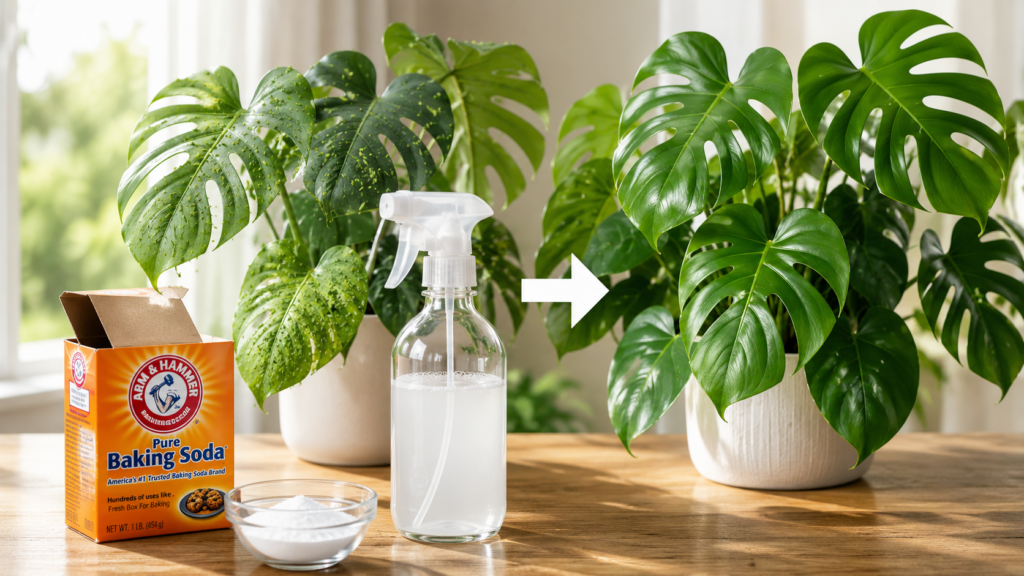
Hey plant lovers, Dave Saunders here.
If you’ve ever woken up to see your favorite monstera or rose bush covered in tiny bugs or white powdery spots, you know how heartbreaking it feels. You want to help your plants, but you don’t want to spray toxic chemicals inside your home.
That’s where a simple box of baking soda can become one of your best friends.
In this guide, I’ll show you exactly how to use baking soda to fight common plant bugs and fungal issues safely and effectively.
Quick Answer
Baking soda works as a natural treatment for plant bugs because it creates an alkaline environment that disrupts the exoskeleton of soft-bodied insects like aphids and spider mites, and it also helps control powdery mildew and other fungi. The most effective mix is baking soda + mild soap + water, and most people see visible improvement within 3–7 days.
👉 Save this recipe — you’ll want to keep it handy all year round.
Why Baking Soda Works So Well on Plant Pests
Baking soda (sodium bicarbonate) is mildly alkaline. When sprayed on plants, it raises the pH on the leaf surface, which:
- Dehydrates and damages the soft bodies of aphids, spider mites, and mealybugs
- Prevents fungal spores (especially powdery mildew) from growing
- Is safe for most plants when used correctly
It’s not a “kill on contact” pesticide like neem oil, but when combined with the right recipe, it becomes surprisingly powerful.
My 5-Step Baking Soda Treatment System
Step 1: Identify the Problem
Look for clusters of tiny green, black, or white insects on new growth, or white powdery coating on leaves. Aphids and spider mites are the most common targets for baking soda sprays.
Step 2: Make the Basic Baking Soda Spray Recipe (my go-to formula):
- 1 tablespoon baking soda
- 1 teaspoon mild liquid soap (castile or unscented dish soap)
- 1 gallon (3.8 liters) of lukewarm water
- Optional: 1 teaspoon vegetable oil (helps the spray stick better)
Mix everything in a spray bottle and shake well before each use.
Disclosure: As an Amazon Associate, we earn from qualifying purchases.
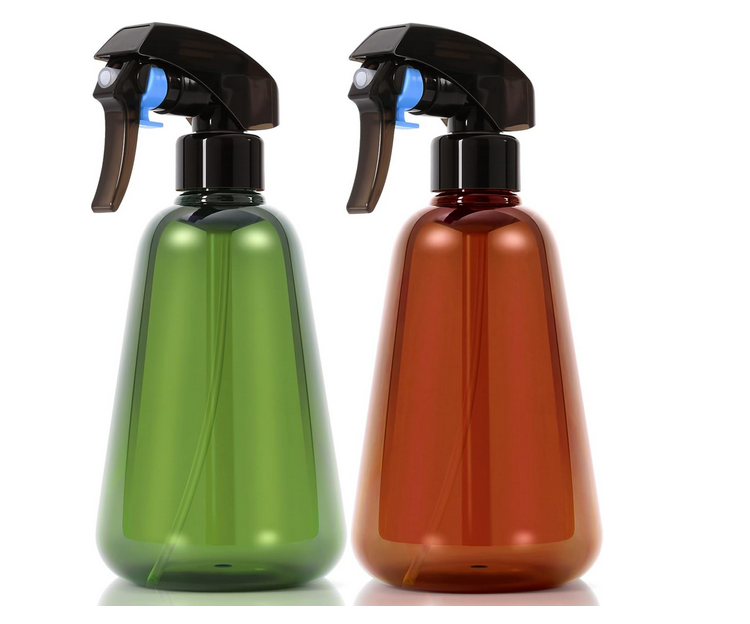
A Simple Spray Bottle for DIY Plant Solutions
Fine mist sprayers help apply homemade baking soda mixtures evenly on leaves without oversaturating plants.
Check Price on AmazonStep 3: Apply Correctly
- Spray in the evening or early morning (never in direct hot sun)
- Cover both tops and undersides of leaves thoroughly
- Focus on new growth where bugs love to hide
- Repeat every 3–4 days for 2 weeks, then once a week for maintenance
Step 4: Combine with Manual Removal
Before spraying, rinse the plant with lukewarm water or wipe leaves with a damp cloth. This removes many bugs immediately and makes the baking soda spray much more effective.
Step 5: Support Plant Recovery
After treatment:
- Improve airflow around the plant
- Check watering habits (overwatering stresses plants and attracts pests)
- Apply a balanced, diluted fertilizer once the infestation is under control
Advanced Baking Soda Recipes
For Powdery Mildew:
- 1 tablespoon baking soda
- 1 tablespoon horticultural oil or neem oil
- 1 gallon water
- ½ teaspoon soap
Stronger Bug Killer Version:
- 2 tablespoons baking soda
- 2 teaspoons soap
- 1 gallon water
- 1 tablespoon neem oil
Preventive Weekly Spray:
- 1 teaspoon baking soda
- 1 teaspoon soap
- 1 gallon water
Comparison Table: Baking Soda vs Other Natural Treatments
| Treatment | Effectiveness Against Aphids | Effectiveness Against Mildew | Safety for Plants | Cost | My Rating |
|---|---|---|---|---|---|
| Baking Soda Spray | Good | Excellent | Very High | Very Low | 8.5/10 |
| Neem Oil | Excellent | Good | High | Medium | 9/10 |
| Insecticidal Soap | Very Good | Average | High | Low | 8/10 |
| Rubbing Alcohol Spray | Fast | Poor | Medium | Low | 6/10 |
| Chemical Pesticides | Excellent | Excellent | Low | High | 4/10 |
My Personal Experience
Last year I had a bad aphid outbreak on my indoor lemon tree and two hibiscus plants. I was hesitant to use strong neem oil indoors because of the smell. I tried the basic baking soda spray first. After the third application, the aphid population dropped dramatically. By day 10, I could barely find any bugs left. The plants recovered fully and even produced new healthy growth. Since then, I use a weak baking soda spray preventively every 10–14 days on my most vulnerable plants.
Pro Tips (Save These)
- Always test the spray on one leaf first and wait 24 hours
- Never spray in direct sunlight — it can burn leaves
- Shake the bottle frequently while spraying
- Combine baking soda with neem oil for stubborn infestations
- Rinse plants with plain water 2–3 hours after spraying (optional but helpful)
- Use baking soda treatment as prevention once a month during growing season
FAQ
Is baking soda safe for all houseplants? Most plants tolerate it well, but sensitive plants like ferns and calatheas should be tested first.
How often can I spray?
Every 3–4 days during active infestation, then weekly for prevention.
Can I use it outdoors in the garden?
Yes, it works great on roses, vegetables, and fruit trees too.
Does it kill beneficial insects?
It has very low impact on ladybugs and other beneficial insects compared to chemical sprays.
Baking soda is not a miracle cure, but it’s one of the safest, cheapest, and most accessible tools in your natural pest control arsenal. When used as part of a consistent system, it delivers excellent results for both indoor and outdoor plants.
Have you tried baking soda on your plants before? What was your experience — did it work, or did you combine it with something else?
Share your results in the comments below. I read every one and often reply with extra personalized tips.
Welcome to my pest control blog! I’m Dave Saunders, a seasoned pest management specialist with over 20 years of experience helping homeowners and businesses across the United States. My journey began in the sunny landscapes of California, where I honed my skills tackling a wide range of pests, from ants to spiders. Over the years, I’ve expanded my expertise to Florida and numerous other states, adapting to diverse climates and pest challenges.
With a deep passion for eco-friendly solutions, I’ve dedicated my career to providing practical, safe, and effective pest control methods. Whether it’s crafting natural repellents or sharing integrated pest management strategies, my goal is to empower you with the knowledge to maintain a pest-free home. Join me as I share insights from two decades in the field!
