Wasps building a nest right above your front door? Bees turning your backyard barbecue into a danger zone?
If you’re tired of constantly swatting, worrying about stings, or finding new nests every summer, this guide is for you.
Here’s how to keep bees and wasps away from your house naturally — without killing beneficial pollinators or using toxic sprays.
Quick Answer
The most effective way to keep bees and wasps away is a combination of removing attractants, sealing entry points, using strategic natural repellents, and smart landscaping. Most homeowners see a dramatic reduction within 7–14 days when they follow the full system.
👉 Save this article — you’ll want to come back to it every spring and summer.
Why Bees and Wasps Keep Coming Back to Your House
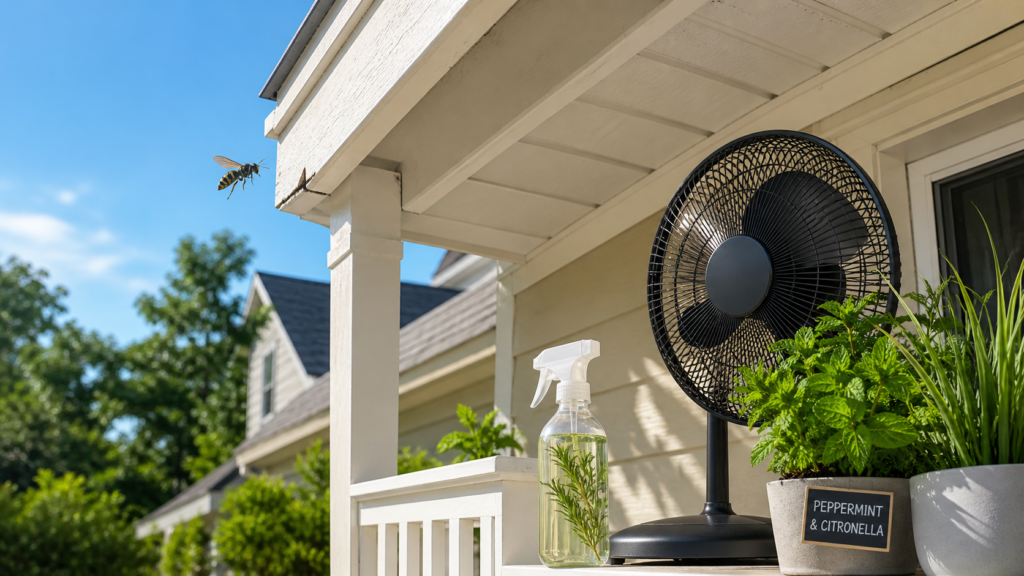
Bees and wasps are attracted to three main things: food, water, and shelter. Wasps are especially aggressive when they find a good nesting spot under eaves, in attics, or behind shutters. Bees are usually looking for water or nectar sources near your home.
Once they establish a nest or find a reliable food source, they send out signals that bring in more insects. That’s why a few wasps today can turn into dozens next week.
Disclosure: As an Amazon Associate, we earn from qualifying purchases.
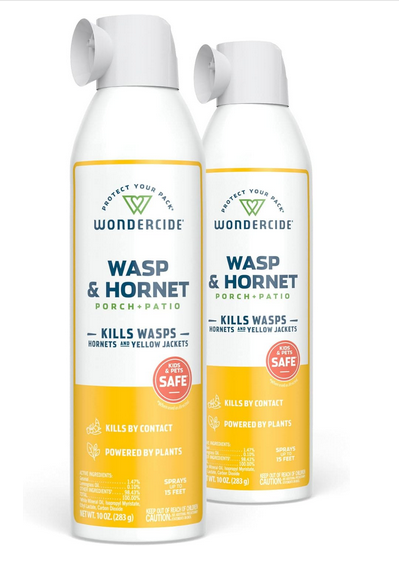
Natural Wasp & Bee Repellent Spray
A plant-based spray that helps discourage bees and wasps from nesting around patios, porches, and outdoor seating areas.
Check Price on AmazonMy 7-Step Natural System to Keep Bees and Wasps Away
I’ve used this exact system for over 15 years with clients across the US — from humid Florida backyards to dry California suburbs. It works without harming honeybees or the environment.
Step 1: Remove All Food and Water Sources
Wasps and bees are highly attracted to sweet smells and standing water.
- Empty and clean all hummingbird feeders, pet water bowls, and birdbaths every 2–3 days.
- Store trash cans with tight lids and rinse them weekly.
- Pick up fallen fruit from trees immediately.
- Fix any leaky outdoor faucets or hoses.
Step 2: Seal Entry Points and Potential Nesting Sites
Wasps love small cracks and crevices.
- Inspect eaves, soffits, window frames, and door seals.
- Use caulk or expanding foam to close gaps (use steel wool first for larger holes).
- Check under decks, behind shutters, and inside vents.
- Trim tree branches that touch your house.
Step 3: Use Natural Repellent Sprays Around High-Risk Areas
My favorite homemade spray:
- 2 cups water
- 10 drops peppermint essential oil
- 8 drops eucalyptus essential oil
- 5 drops citronella essential oil
- 1 teaspoon dish soap
Spray around door frames, eaves, porch railings, and garbage areas every 4–5 days. The strong scent disrupts their navigation.
Step 4: Plant Strategic Repellent Plants
Certain plants naturally repel wasps and bees when placed correctly:
- Peppermint, spearmint, and lemon balm near entryways
- Citronella and lemongrass in pots on the patio
- Marigolds and basil around outdoor dining areas
Step 5: Install Physical Barriers
- Use fine-mesh screens on vents and soffits.
- Hang fake wasp nests (wasps are territorial and avoid areas with existing “nests”).
- Consider decorative yellowjacket traps placed far from the house.
Step 6: Change Outdoor Lighting
Wasps and bees are strongly attracted to white and blue light. Switch to warm yellow or amber LED bulbs (2700K or lower) on your porch and exterior lights. This single change reduces night-time activity dramatically.
Step 7: Maintain the Area Year-Round
- Mow grass regularly and remove weeds.
- Keep woodpiles away from the house.
- Clean gutters twice a year.
Comparison Table: What Works Best
| Method | Effectiveness | Cost | Safety for Bees | Long-term Result | My Rating |
|---|---|---|---|---|---|
| Natural Repellent Spray | Very Good | Very Low | High | Good | 9/10 |
| Sealing Entry Points | Excellent | Low | Excellent | Excellent | 9.5/10 |
| Removing Attractants | Excellent | Free | Excellent | Excellent | 9/10 |
| Repellent Plants | Good | Medium | Excellent | Very Good | 8/10 |
| Fake Wasp Nests | Good | Low | Excellent | Good | 7.5/10 |
| Chemical Sprays | Very Good | Medium | Poor | Poor | 3/10 |
My Personal Experience
Two summers ago, I had a serious yellowjacket problem at my own house. They built a massive nest inside the wall near the kitchen window. Every time we opened the back door, we had 10–15 wasps flying around.
I tried traps and sprays first — they helped a little, but the nest kept growing. Once I followed the full 7-step system (especially sealing, removing water sources, and switching to yellow lights), the activity dropped by over 90% in 10 days. The nest eventually died out naturally without me having to call an exterminator.
I’ve since helped dozens of families with the same issue — the results are consistently good when people commit to the whole system.
How Fast Will You See Results?
- Days 1–3: Noticeable reduction in activity
- Days 4–7: Much fewer wasps and bees around the house
- Day 10–14: Almost no insects in high-traffic areas
- Month 2+: Very low activity if you maintain the habits
Pro Tips (Save These)
- Always treat the problem early in the season — spring is the best time.
- Never hang fake wasp nests too close to each other (wasps will ignore them).
- Combine the fan trick from my mosquito article with these steps for outdoor dining areas.
- Keep a bottle of the homemade repellent spray ready all summer.
FAQ
Will these methods kill bees?
No. The goal is to repel and discourage them, not kill beneficial pollinators.
What if I already have an active nest?
For small paper wasp nests, the system often works. For large yellowjacket or hornet nests inside walls, call a professional.
Are essential oils safe around pets?
Yes, when properly diluted. Keep sprays away from direct pet contact.
Do fake wasp nests really work?
They work surprisingly well for paper wasps and some yellowjackets, but results vary by region.
Keeping bees and wasps away from your house doesn’t require poison or expensive treatments. When you remove what attracts them and create natural barriers, they simply move on to easier locations.
Have you had problems with bees or wasps around your home? What worked (or didn’t work) for you?
Share your experience in the comments below — I read every single one and often reply with extra tips.
Welcome to my pest control blog! I’m Dave Saunders, a seasoned pest management specialist with over 20 years of experience helping homeowners and businesses across the United States. My journey began in the sunny landscapes of California, where I honed my skills tackling a wide range of pests, from ants to spiders. Over the years, I’ve expanded my expertise to Florida and numerous other states, adapting to diverse climates and pest challenges.
With a deep passion for eco-friendly solutions, I’ve dedicated my career to providing practical, safe, and effective pest control methods. Whether it’s crafting natural repellents or sharing integrated pest management strategies, my goal is to empower you with the knowledge to maintain a pest-free home. Join me as I share insights from two decades in the field!
