
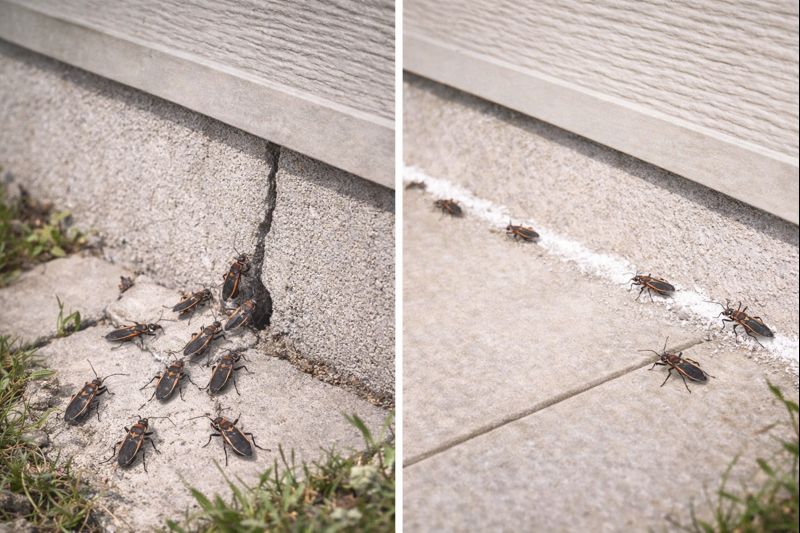
Hey folks, Dave Saunders here. If you’re seeing clusters of black-and-red bugs crawling on the sunny side of your house every spring, you’re dealing with boxelder bugs. They may not cause structural damage, but they can quickly become a major nuisance, covering walls, windows, and doors.
The good news is you can control them effectively without resorting to harsh chemical sprays. Below is the practical system I recommend to homeowners every spring.
Quick Answer
The fastest natural way to reduce boxelder bugs is to remove their main food source (female boxelder trees), seal entry points, and use a simple soapy spray. Most people see a significant drop in numbers within 3–7 days when combining these steps.
Why Boxelder Bugs Invade Homes in Spring
Boxelder bugs spend winter hiding in trees, rocks, and wall voids. When the weather warms up, they become active and seek sunlight and warmth. South-facing walls of houses are especially attractive to them. They don’t eat wood, but they leave unsightly droppings and can enter homes in large numbers through small cracks.
My 5-Step Natural System to Get Rid of Boxelder Bugs
Here’s the exact approach I use with clients:
Step 1: Remove Their Primary Food Source
Boxelder bugs feed mainly on the seeds of female boxelder trees, as well as maple and ash.
- Trim branches that touch your house
- Rake up and dispose of fallen seeds regularly
- If possible, remove or replace female boxelder trees located close to the house (this gives the biggest long-term improvement)
Step 2: Seal All Entry Points
These bugs are flat and can squeeze through tiny gaps.
- Inspect windows, doors, siding, and foundation cracks
- Seal openings with silicone caulk
- Pay special attention to areas around pipes and electrical lines
Step 3: Use a Simple Soapy Spray
Mix 1 tablespoon of dish soap with 1 quart of warm water. Add 5–10 drops of peppermint or neem oil for better results. Spray directly on the bugs and around entry points. The soap breaks down their protective coating.
Disclosure: As an Amazon Associate, we earn from qualifying purchases.
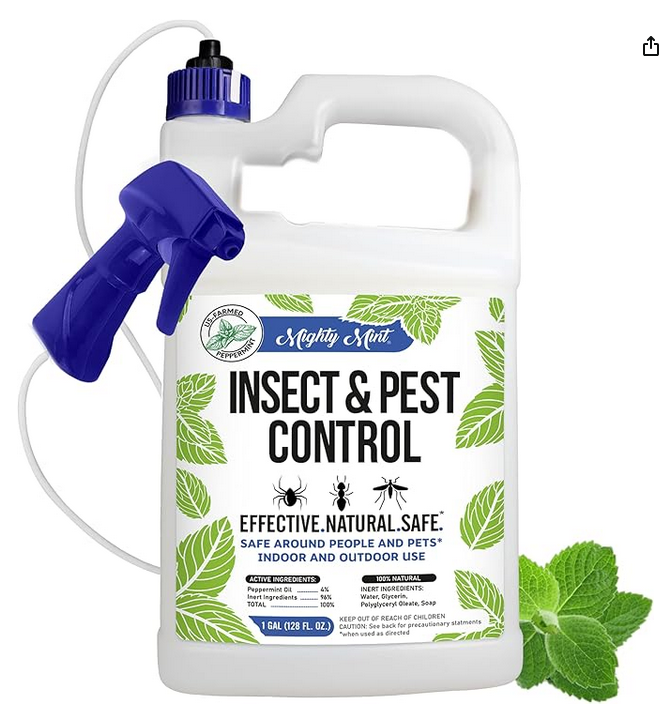
Natural Sprays That Help Repel Boxelder Bugs
Plant-based peppermint and essential oil sprays are commonly used around windows, patios, and siding areas.
Check Price on AmazonStep 4: Create a Natural Barrier
Apply a thin line of food-grade diatomaceous earth along the foundation, windowsills, and baseboards. Reapply after rain or cleaning.
Step 5: Vacuum and Maintain Cleanliness
Vacuum any bugs you see indoors and empty the vacuum outside immediately. Keep windowsills and door frames dry and free of debris.
Natural Methods for Boxelder Bugs
| Method | Effectiveness | Speed of Results | Safety | Ease of Use | My Rating |
|---|---|---|---|---|---|
| Removing Host Trees | Excellent | Long-term | Excellent | Medium | 10/10 |
| Sealing Entry Points | Excellent | Immediate | Excellent | Medium | 9/10 |
| Soapy Spray + Peppermint | Good | 1–3 days | Excellent | Easy | 8/10 |
| Diatomaceous Earth Barrier | Very Good | 3–7 days | Excellent | Medium | 9/10 |
| Vacuuming + Cleanliness | Good | Immediate | Excellent | Easy | 7/10 |
Common Mistakes Homeowners Make
After helping hundreds of homeowners with boxelder bug problems, I’ve noticed the same mistakes repeated year after year. Avoiding these will save you a lot of time and frustration:
1. Only Spraying the Bugs You See
Many people grab a spray bottle and only target the bugs crawling on the wall. This kills the visible ones, but does nothing to the hundreds hiding inside walls or the ones still coming from outside.
Result: The problem returns within a few days.
2. Ignoring Female Boxelder Trees Near the House
Boxelder bugs primarily feed on the seeds of female boxelder trees. If you have one (or more) close to your house, you’re basically inviting them every spring.
My experience: In many cases, simply removing or heavily trimming a female boxelder tree 10–20 feet from the house reduced the infestation by 70–80%.
3. Not Sealing Cracks and Entry Points
Even if you kill the bugs inside, new ones will keep entering through tiny gaps around windows, doors, siding, and foundation.
Result: You end up fighting the same battle every year.
4. Using Chemical Sprays as the Main Solution
Chemical sprays provide quick knockdown, but they don’t address the root cause and can be harmful to pets, kids, and beneficial insects. They also stop working after a few days.
My experience: Clients who relied only on sprays had recurring problems, while those who switched to natural + prevention methods had much better long-term success.
5. Failing to Reduce Humidity and Cleanliness
Leaving damp areas, wet towels, or cardboard boxes in the bathroom or basement creates the perfect environment for silverfish and other pests.
Result: Even the best treatments won’t last if the environment remains attractive to bugs.
6. Giving Up Too Early
Some homeowners try a natural method for 2–3 days and then declare it doesn’t work. Most natural solutions need 7–14 days of consistent application to show full results.
My experience: Patience and consistency are what separate temporary relief from permanent control.
My Personal Experience
Last year I helped a family whose entire south-facing wall was covered with thousands of boxelder bugs. After we removed the female boxelder tree 15 feet from the house, sealed the cracks, and applied diatomaceous earth, the problem was almost completely gone within two weeks. They haven’t had a major invasion since.
FAQ
How long does it take to see results? Most people notice a major reduction within 3–7 days when following the full system.
Are these methods safe around pets? Yes, when used as directed. Diatomaceous earth and soapy sprays are safe for families and pets.
Will they return next year? They can if you don’t address the host trees and entry points. Consistent prevention is key.
Getting rid of boxelder bugs doesn’t require toxic chemicals. Combine removal of their food source, sealing, and natural sprays, and you’ll see real improvement this spring.
Have you dealt with boxelder bugs before? What worked for you?
Share your experience in the comments below.

Welcome to my pest control blog! I’m Dave Saunders, a seasoned pest management specialist with over 20 years of experience helping homeowners and businesses across the United States. My journey began in the sunny landscapes of California, where I honed my skills tackling a wide range of pests, from ants to spiders. Over the years, I’ve expanded my expertise to Florida and numerous other states, adapting to diverse climates and pest challenges.
With a deep passion for eco-friendly solutions, I’ve dedicated my career to providing practical, safe, and effective pest control methods. Whether it’s crafting natural repellents or sharing integrated pest management strategies, my goal is to empower you with the knowledge to maintain a pest-free home. Join me as I share insights from two decades in the field!
