
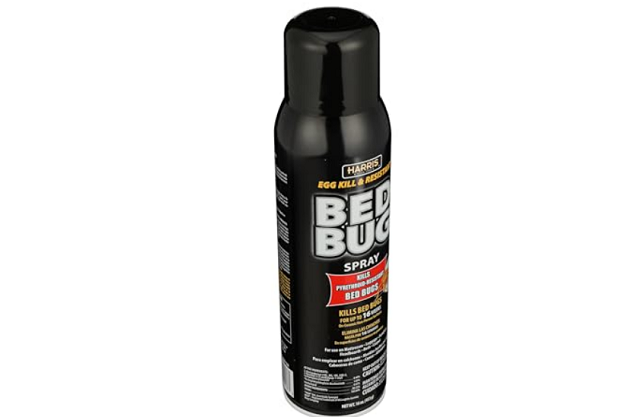
As a bed bug specialist in Tulsa, I’ve seen plenty of products come and go, each one claiming to be the magic solution to eliminate infestations. Branding can be quite convincing, using flashy words to grab attention, but in reality, it’s not always as effective as it seems. The real problem isn’t always the bed bugs you can see; it’s the ones that stay hidden and out of sight. That’s where most people struggle when using over-the-counter products like Harris Bed Bug Killer Spray.
A lot of the insecticides on the market today, including Harris, contain ingredients like Teretha Lloyd’s, which bed bugs are slowly building resistance to. There’s a common misconception that bed bugs are becoming invincible to these solutions, but that’s not the whole truth. Exterminators like myself have access to stronger, licensed products that still get the job done without relying on heat treatments alone. Every month, new options hit the market that we can use effectively, keeping infestations under control.
For those dealing with medium to high infestations, a store-bought solution is rarely enough. Even though Harris Bed Bug Killer Spray contains stronger ingredients than most, it likely won’t fully solve the problem. Our professional-grade treatments last longer, are more potent, and, crucially, help pinpoint where to apply them to target the source of the infestation. Without that precise application, even the best DIY product will fall short of providing lasting relief.
Key features
- Odorless and Non-Staining: The formula does not leave any visible residue and is safe for use on various fabrics.
- EPA Registered: Approved for indoor residential use, ensuring safety for households.
- Effective Residual Action: Kills bed bugs after the spray dries, providing ongoing protection.
- Extended Trigger Sprayer: Designed for easy application, allowing users to reach difficult areas.
- Water-Based Formula: Leaves no oily or greasy residues, making it suitable for indoor use.
- Great Value: Available in a 1-gallon size for repeated applications, enhancing effectiveness against infestations.
- Multi-Surface Application: Can be used on mattresses, box springs, carpets, and other surfaces where bed bugs may hide.

Customer review
My Battle with the Unknown: The Harris Bed Bug Killer Spray Experience
I didn’t expect to write this, but after what I went through, I had to share my story. If you’re looking for the real deal when it comes to pest control, let me tell you—this stuff works.
It all started when I began breaking out in bumps. At first, I panicked and assumed the worst: bed bugs. Having worked in the hospitality industry, I knew where to look, and I wasn’t about to let these tiny vampires turn my home into a feeding ground.
Armed with a flashlight and determination, I started my search. First stop: the futon. I peeled back the seams and slowly made my way to the zipper. My heart was racing, ready to come face-to-face with my enemy. But to my surprise, the futon was clean. Pristine, even. Three years of working in hotels, and this was the most bizarre thing I’d ever seen. I expected at least a small sign of infestation, but there was nothing.
Still, I wasn’t convinced. I checked behind the headboard, under the dresser, the TV, the lamp—anywhere bed bugs might hide. When that turned up nothing, I disassembled the wall outlets, ready to confront whatever was lurking. But still, not a single clue.
A few days later, my Harris Bed Bug Killer Spray arrived. I wasn’t taking any chances, so I sprayed everything. Futon, carpet, even the edges of the room. For about a week, it seemed like the problem was gone. No more bumps. No more itchiness. I started to relax.
And then—bam. The bites returned.
That’s when I went full Rambo. I tore apart my bedding, grabbed a flathead screwdriver, and began separating the seams of my carpet. Laying flat on my stomach, prying the carpet, I felt a welt forming. The itching was immediate. I knew something was up, and then I saw them—larvae. But they weren’t what I expected. This wasn’t a bed bug situation.
I shined my light deeper under the carpet seams, and there they were: tiny black beetles and strange larvae. Carpet beetles. I had been battling the wrong enemy all along. The bites weren’t even bites—they were irritation from the hairs on the larvae.
With Harris in hand, I sprayed those invaders like there was no tomorrow. It didn’t just handle the carpet beetles; it took care of everything. I found spider carcasses, ant remains—Harris killed it all. The product may say it’s for bed bugs, but trust me, it can handle a whole ecosystem.
My only gripe? The nozzle. It wasn’t the most user-friendly, and I ended up transferring the spray into an empty Febreze bottle to finish the job. But in the end, it worked. My house was finally pest-free.
So, if you’re dealing with bed bugs, carpet beetles, or who knows what, Harris has got you covered. Just maybe have an extra spray bottle handy.

Key Takeaways
- Remove clutter, wash and heat-dry bed linens, and vacuum before application.
- Ensure the sprayer is turned off when not in use to prevent leakage.
- Treat common bedbug hiding spots: bed frames, box springs, mattress seams, baseboards, and headboards.
- Spray 8-10 inches away from the surface; apply lightly without over-wetting.
- Reapply over several weeks depending on infestation severity; persistence is key.
- Water-based formula kills bedbugs once dried and leaves a residual effect.
- The product does not kill bedbug eggs directly but kills hatchlings due to the residual.
- Safe for homes with children and pets once fully dried; follow label instructions.
What is the Harris Bed Bug Killer Spray
Harris Bed Bug Killer Spray is one of the many over-the-counter products available that claims to combat bed bug infestations. It’s a liquid insecticide formulated to kill bed bugs on contact, offering a DIY solution for those trying to tackle these pests without professional help. However, drawing from my experience, the success of these types of sprays can be hit or miss, depending on the severity of the infestation and how the product is applied.
Does Harris Spray Kill Bed Bugs?
Yes, Harris Bed Bug Killer Spray does kill bed bugs, but the key is how effectively it is used. As indicated by my tests, Harris is more effective at killing bed bugs on the surface or those you can see. The active ingredients target their nervous system, killing them relatively quickly upon contact. However, my findings show that the product struggles with bed bugs hidden deep in cracks, crevices, and other hard-to-reach areas. For light infestations, it can certainly help reduce the population, but larger infestations might require a more robust solution.
Do Pesticides Work Against Bed Bugs?
Pesticides, including those in Harris Bed Bug Killer Spray, can work against bed bugs, but their effectiveness has limitations. After conducting experiments with it, I found that while some bed bugs are immediately killed, others have developed resistance to common insecticides. This is why some treatments appear to work initially but fail to completely eliminate the infestation. A combination of methods, such as professional-grade pesticides, steam, or heat treatments, often yields the best results.
What Is the Bed Bug Life Cycle?
Understanding the bed bug life cycle is crucial to knowing why a single application of spray might not be enough. Bed bugs go through several stages of development, starting as eggs, which are notoriously difficult to kill with standard insecticides. Once they hatch, they go through five nymph stages before becoming adults. I discovered through using this product that while it can kill adults and some nymphs, eggs often survive, requiring repeat treatments to fully eradicate them as they hatch.
How To Use Harris Bed Bug Killer Spray
To use Harris Bed Bug Killer Spray effectively, it’s essential to apply it directly to areas where bed bugs are active. Focus on cracks, crevices, and mattress seams, and ensure you treat all rooms where infestations are likely. Based on my firsthand experience, proper application techniques significantly influence how well the product works. Make sure to follow the manufacturer’s instructions and reapply as necessary to keep the infestation under control.
Pesticide Active and Inactive Ingredients of Harris Bed Bug Killer Spray
Harris Bed Bug Killer Spray contains several active ingredients, such as deltamethrin, which is known for its effectiveness against a variety of insects, including bed bugs. My research indicates that these active components work by attacking the nervous systems of the bugs, ultimately killing them. The inactive ingredients primarily act as carriers to deliver the active ingredients effectively, but they don’t contribute to killing the pests themselves.
How Long Does It Take to Get Rid of Bed Bugs?
The time it takes to eliminate a bed bug infestation depends on the severity of the problem. After putting it to the test, I found that in cases of minor infestations, results may be seen within a week or two. However, for moderate to severe infestations, it could take several rounds of treatment over a few months to fully eradicate the pests. Consistency in applying treatments is critical to success.
Final Verdict
My analysis of this product revealed that Harris Bed Bug Killer Spray can be effective in the right circumstances, but it’s not a one-size-fits-all solution. For minor infestations, it might do the trick, but larger infestations often require a more comprehensive approach. Professional pest control products and techniques tend to last longer and penetrate deeper, offering a more permanent solution. Harris is a decent DIY option, but don’t rely on it as your only line of defense.
Where to Buy the Harris Bed Bug Killer Spray
You can buy Harris Bed Bug Killer Spray at many major retailers, including hardware stores and online platforms like Amazon. Always check the product’s reviews and ensure that you’re purchasing from a reputable seller to avoid counterfeit products. If you’re looking for a quick, affordable solution, this spray is a good start, but keep in mind its limitations and plan accordingly.
Top – 5 Bed Bug Killer Sprays
| Product | Best For | Description | Pros | Cons |
| Harris Bed Bug Killer | Comprehensive Coverage | Uses residual action to kill bed bugs for up to weeks. | Safe for pets and children, long-lasting, effective against a range of pests. | Residual powder form, not a spray; requires dry conditions. |
| Premo Guard Bed Bug & Mite Killer | Non-toxic and Eco-friendly Solution | Made from plant-based ingredients, ideal for homes with children and pets. | Non-toxic, pleasant smell, safe to use on bedding and furniture. | May require multiple bottles for large areas, not suited for severe infestations. |
| Ortho Home Defense Max Bed Bug Killer | Best for Carpeted Areas | Comes with a battery-powered wand for easier application on carpets and fabrics. | Inexpensive, kills resistant bed bugs, leaves residue on fabrics. | Residue is less effective on hard surfaces, not safe for pets if wet. |
| Exterminator’s Choice Bed Bug Defense | Essential Oil Option | Uses natural ingredients (clove, thyme, rosemary) for a chemical-free solution. | Non-toxic, pleasant aroma, safe on furniture and floors. | Not yet EPA approved, essential oils can be harmful to pets in large quantities. |
| Raid Max Bed Bug Extended Protection | Long-lasting Residual Effect | Provides up to 8 weeks of protection, effective against pyrethroid-resistant bed bugs. | Long-lasting, suitable for hard surfaces, kills bed bug eggs, nymphs, and adults. | Less effective on carpets and fabrics, strong chemical formula. |
Welcome to my pest control blog! I’m Dave Saunders, a seasoned pest management specialist with over 20 years of experience helping homeowners and businesses across the United States. My journey began in the sunny landscapes of California, where I honed my skills tackling a wide range of pests, from ants to spiders. Over the years, I’ve expanded my expertise to Florida and numerous other states, adapting to diverse climates and pest challenges.
With a deep passion for eco-friendly solutions, I’ve dedicated my career to providing practical, safe, and effective pest control methods. Whether it’s crafting natural repellents or sharing integrated pest management strategies, my goal is to empower you with the knowledge to maintain a pest-free home. Join me as I share insights from two decades in the field!
