
Hey everyone, Dave Saunders here.
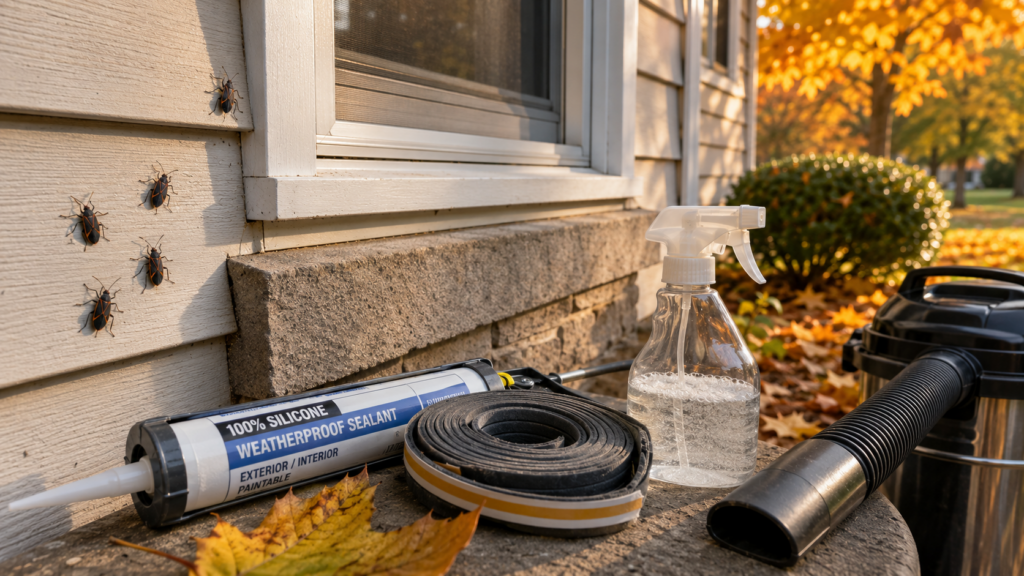
Every fall, thousands of homeowners suddenly notice clusters of black-and-orange insects gathering on sunny walls, windows, and eventually inside their homes. These are boxelder bugs, and while they don’t bite or cause structural damage, they can become a major nuisance when they invade in large numbers.
The good news is that most indoor boxelder bug problems can be prevented or greatly reduced with simple DIY methods. In this guide I’ll share the practical strategies that have worked best for me and for the many people I’ve advised over the years.
Quick Answer
The most effective way to stop boxelder bugs from coming indoors in fall is a combination of sealing entry points, reducing outdoor attractants near the house, vacuuming visible bugs, and using mild natural repellents around windows and doors. When these steps are done early in the season, most homeowners can avoid a full-scale indoor invasion.
Why Boxelder Bugs Invade Homes in Fall
Boxelder bugs feed primarily on boxelder trees (and sometimes maple and ash). In late summer and fall, as temperatures drop and their food sources decline, adult bugs begin searching for protected places to overwinter. Warm, sunny sides of buildings (especially south and west-facing walls) become highly attractive.
Once they find small gaps around windows, doors, vents, or siding, they move indoors. Inside they remain mostly inactive during winter but can become active on warm days, appearing on windowsills and walls.
My Personal Experience with Boxelder Bugs
A few years ago I dealt with a heavy boxelder bug problem at a client’s home that had several large boxelder trees nearby. Every September the south-facing wall would turn into a moving carpet of bugs. Some made it inside through tiny gaps around older windows.
We started by thoroughly sealing the most obvious entry points, installing better weatherstripping, and creating a cleaner perimeter around the foundation. We also used a simple soapy water spray for outdoor clusters and vacuumed any bugs that got inside. By the following fall the indoor problem was dramatically reduced. That experience reinforced an important lesson: prevention and exclusion work far better than trying to kill large numbers of bugs after they’ve already entered.
Easy DIY Methods to Stop Boxelder Bugs Indoors
1. Seal Entry Points (Most Important Step)
Boxelder bugs can squeeze through surprisingly small gaps. Focus on:
- Weatherstripping around doors and windows
- Gaps around window air conditioners
- Cracks in siding, foundation, and around utility penetrations
- Damaged screens and attic vents
Use silicone or acrylic caulk for cracks, door sweeps on exterior doors, and expanding foam for larger gaps. This single step prevents the majority of indoor invasions.
2. Reduce Attractiveness of the Exterior
- Trim vegetation away from the house so bugs have fewer bridges to the structure
- Remove or reduce boxelder, maple, or ash trees close to the home if practical
- Clear leaf litter and debris from around the foundation
- Consider using yellow “bug lights” for exterior lighting, which attract fewer insects overall
3. Vacuuming (Best Indoor Removal Method)
When boxelder bugs do get inside, the safest and cleanest removal method is vacuuming. Use a vacuum with a hose attachment and empty the canister or bag outside immediately afterward. Avoid crushing them, as they can leave stains and a mild odor.
4. Soapy Water Spray (For Outdoor Clusters)
A simple solution of water and a few drops of dish soap in a spray bottle works well for outdoor clusters on walls and windows. The soap breaks the surface tension and helps kill the bugs on contact. Spray directly on groups of bugs in the evening or early morning when they are less active.
5. Natural Repellent Sprays
While not as strong as professional residual insecticides, some natural sprays can help deter boxelder bugs from landing and entering:
Peppermint or citrus oil spray:
- 2 cups water
- 15–20 drops peppermint or orange essential oil
- 1 teaspoon mild dish soap
Lightly spray around window frames, door thresholds, and other entry points. Reapply every few days or after rain.
6. Diatomaceous Earth (Dry Areas)
Lightly dust food-grade diatomaceous earth along windowsills, baseboards, and dry entry points. It can help reduce crawling insects over time. Keep it dry for best results.
7. Indoor Prevention Habits
- Keep window screens in good repair
- Close exterior doors quickly
- Reduce indoor clutter near windows where bugs tend to gather
- Use a dehumidifier in damp basements if moisture is attracting other insects that boxelder bugs may follow
Comparison Table: Boxelder Bug Control Methods
| Method | Effectiveness | Speed of Results | Cost | Safety | Ease of Use | Best For | My Rating |
|---|---|---|---|---|---|---|---|
| Sealing Entry Points | Excellent | Long-term | Low–Med | Excellent | Medium | Prevention | 9.5/10 |
| Vacuuming | Excellent | Immediate | Free | Excellent | Easy | Bugs already indoors | 9.5/10 |
| Soapy Water Spray | Very Good | Immediate | Very Low | Excellent | Easy | Outdoor clusters | 9/10 |
| Reducing Exterior Attractants | Excellent | 1–3 weeks | Free–Low | Excellent | Medium | Long-term reduction | 9/10 |
| Essential Oil Sprays | Moderate | 3–7 days | Low | Excellent | Easy | Entry point deterrence | 7.5/10 |
| Diatomaceous Earth | Moderate | 5–10 days | Low | Excellent | Easy | Dry windowsills & baseboards | 7.5/10 |
| Professional Insecticides | Excellent | Fast | Higher | Moderate | Easy | Heavy infestations | 8/10 |
Pro Tips for Better Results
- Start prevention in late summer or early fall before large numbers of bugs begin clustering on the house.
- Focus sealing efforts on the warmest sides of the house (usually south and west).
- Vacuum regularly during peak season instead of crushing bugs on walls and windowsills.
- Combine exclusion (sealing) with outdoor habitat reduction for the strongest long-term effect.
- If you have many boxelder trees close to the house, understand that complete elimination of the bugs outdoors is unrealistic — the goal is to keep them from entering the living space.
FAQ
Do boxelder bugs bite or cause damage?
No. They do not bite people or pets and do not damage wood or structures. Their main issues are nuisance, possible staining, and mild odor when crushed.
Why do they suddenly appear indoors on warm winter days?
Boxelder bugs that overwintered in wall voids or attics become active when indoor temperatures rise or when sunlight warms a wall.
Are natural methods enough for heavy infestations?
For prevention and light to moderate problems, yes. For very heavy annual invasions, some homeowners eventually combine DIY exclusion with targeted professional treatment of exterior walls in fall.
Is it better to kill them or just keep them out?
Keeping them out is far more effective and less messy than trying to kill large numbers after they’ve entered.
Stopping boxelder bugs from becoming an indoor problem is mostly about timing and prevention. By sealing gaps, reducing outdoor attractants, vacuuming what does get inside, and using simple natural sprays, most homeowners can keep these fall invaders under control without harsh chemicals.
Have you dealt with boxelder bugs before? Did sealing and vacuuming help, or did you need additional methods?
Share your experiences in the comments — I read every one and am happy to offer more specific suggestions for your situation.

Welcome to my pest control blog! I’m Dave Saunders, a seasoned pest management specialist with over 20 years of experience helping homeowners and businesses across the United States. My journey began in the sunny landscapes of California, where I honed my skills tackling a wide range of pests, from ants to spiders. Over the years, I’ve expanded my expertise to Florida and numerous other states, adapting to diverse climates and pest challenges.
With a deep passion for eco-friendly solutions, I’ve dedicated my career to providing practical, safe, and effective pest control methods. Whether it’s crafting natural repellents or sharing integrated pest management strategies, my goal is to empower you with the knowledge to maintain a pest-free home. Join me as I share insights from two decades in the field!
