
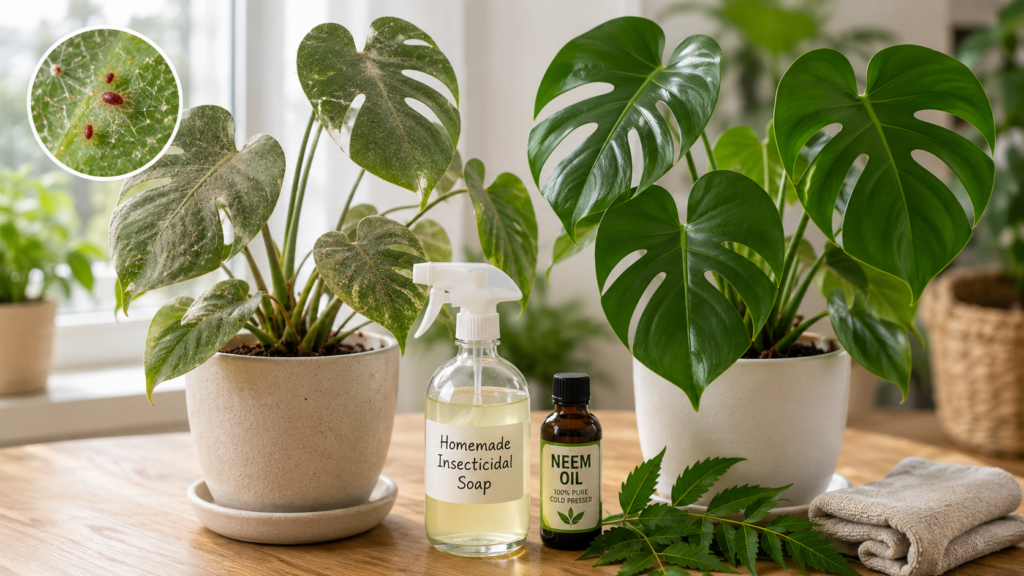
Hey folks, Dave Saunders here. If you’ve ever noticed tiny white or yellow specks on your monstera, fiddle leaf fig, or calathea, followed by fine webbing between the leaves, you know the sinking feeling I’m talking about. Spider mites are one of the most frustrating and destructive pests for indoor plant lovers. They multiply incredibly fast and can destroy a beautiful plant in just a couple of weeks if you don’t act quickly.
I’ve battled spider mites more times than I can count — both with my own plants and with clients who were devastated to see their prized houseplants declining. After years of trial and error, I’ve developed a fast, effective, natural system that consistently works. Today I’m sharing the complete method I use to get rid of spider mites on houseplants quickly and safely.
Quick Answer
The fastest way to get rid of spider mites on houseplants is to combine immediate manual removal with a strong homemade insecticidal soap spray and neem oil treatment. Most people see a dramatic reduction within 3–5 days and full control within 10–14 days when they follow the full system consistently.
👉 Save this article right now — spider mites can return quickly if you miss even one step.
Why Spider Mites Are So Difficult to Control
Spider mites are not actually insects — they are arachnids, more closely related to spiders and ticks. They thrive in warm, dry conditions (exactly what most indoor environments provide in winter). They suck the sap from leaves, causing stippling, yellowing, and eventual leaf drop. The worst part? They produce protective webbing that shields them from many sprays.
One female can lay up to 100 eggs in her short lifetime, and the entire life cycle can complete in as little as 5–7 days in warm conditions. That’s why speed and consistency are critical.
My Personal Experience with Spider Mites
Last winter I had one of my worst spider mite outbreaks ever. It started on a large monstera I had been growing for over three years. Within 10 days, the plant looked terrible — leaves covered in fine webbing and turning yellow. I tried just wiping the leaves at first, but the mites came back stronger.
That experience taught me a hard lesson: half-measures don’t work with spider mites. I had to go all-in with the full system. After two weeks of consistent treatment, the mites were completely gone, and the plant fully recovered. Since then, I’ve helped dozens of clients save their collections using the same approach.
My Complete 7-Step Fast Elimination System
Step 1: Isolate the Plant Immediately
The moment you see signs of spider mites, move the plant far away from your other houseplants. This is critical. Spider mites can crawl or be carried by air currents to nearby plants.
Step 2: Thorough Manual Removal
Take the plant to the sink or shower and rinse it thoroughly with lukewarm (not cold) water. Use your fingers or a soft cloth to gently wipe both sides of every leaf, paying special attention to the undersides where mites hide. This step alone can remove 60-70% of the population.
Step 3: Apply Strong Insecticidal Soap Spray
This is your main weapon. Recipe:
- 1 teaspoon pure castile soap (or very mild unscented dish soap)
- 1 quart (approx. 1 liter) lukewarm water
- 1 teaspoon neem oil (optional but highly recommended)
Shake well and spray every surface of the plant, especially the undersides of leaves. Repeat every 2–3 days for the first two weeks.
Step 4: Follow Up with Neem Oil
After the soap spray, apply diluted neem oil once a week. Neem oil works as both a contact killer and a growth regulator, preventing mites from reproducing.
Disclosure: As an Amazon Associate, we earn from qualifying purchases.
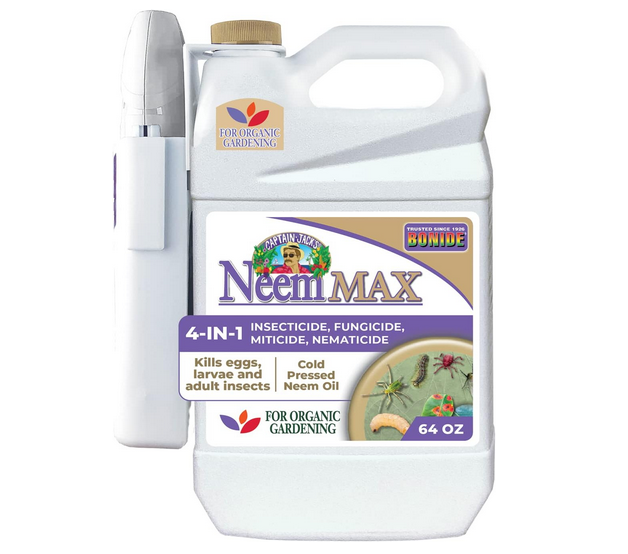
A Natural Spray for Spider Mites on Plants
Neem oil sprays are commonly used on houseplants to help control spider mites and protect leaves from further damage
Check Price on AmazonStep 5: Increase Humidity and Airflow
Spider mites hate high humidity. Mist your plants daily (avoiding direct sun) and run a small fan to improve airflow. This makes the environment much less hospitable for them.
Step 6: Treat the Soil
Spider mites can hide in the top layer of soil. Water the plant heavily in the sink to flush the soil, then apply a thin layer of food-grade diatomaceous earth on the soil surface.
Step 7: Monitor and Maintain
Check your plants every few days for the next month. Continue treatment even after you stop seeing mites — eggs can hatch later.
Comparison Table: Natural Spider Mite Treatments
| Method | Speed | Effectiveness | Plant Safety | Ease of Use | My Rating |
|---|---|---|---|---|---|
| Insecticidal Soap Spray | Fast | Very Good | Excellent | Easy | 9/10 |
| Neem Oil | Medium | Excellent | Very Good | Medium | 9/10 |
| Manual Washing | Immediate | Good | Excellent | Easy | 8/10 |
| Diatomaceous Earth | Medium | Good | Excellent | Easy | 8/10 |
| Chemical Miticides | Very Fast | Excellent | Poor | Easy | 4/10 |
Pro Tips from My Experience
- Always check the undersides of leaves with a magnifying glass — that’s where they hide.
- Never spray in direct sunlight — it can burn leaves.
- Isolate new plants for at least 2–3 weeks before adding them to your collection.
- Improve overall plant health — strong plants are more resistant to mites.
- Be consistent. Missing even a few days of treatment can let the population rebound.
FAQ
How long does it take to completely eliminate spider mites?
Usually 10–14 days with consistent treatment. Eggs can hatch later, so continue for at least 3 weeks.
Can I use regular dish soap?
Yes, but it must be mild and free of fragrances or harsh additives.
Will these methods harm my beneficial insects?
No, they are much gentler than chemical treatments.
What if the infestation is very severe?
You may need to prune heavily infested leaves and be extra diligent with treatment.
Getting rid of spider mites on houseplants without chemicals is absolutely possible, but it requires consistency and the right approach. The combination of manual removal, soap spray, and neem oil is what delivers the fastest and safest results.
Have you been fighting spider mites on your indoor plants? What worked (or didn’t work) for you?
Share your experience in the comments below — I read every single one and often reply with extra personalized advice based on your specific situation.
Welcome to my pest control blog! I’m Dave Saunders, a seasoned pest management specialist with over 20 years of experience helping homeowners and businesses across the United States. My journey began in the sunny landscapes of California, where I honed my skills tackling a wide range of pests, from ants to spiders. Over the years, I’ve expanded my expertise to Florida and numerous other states, adapting to diverse climates and pest challenges.
With a deep passion for eco-friendly solutions, I’ve dedicated my career to providing practical, safe, and effective pest control methods. Whether it’s crafting natural repellents or sharing integrated pest management strategies, my goal is to empower you with the knowledge to maintain a pest-free home. Join me as I share insights from two decades in the field!
