What’s going on everybody, Dave Saunders here.
If you’re someone who loves growing houseplants, you know how heartbreaking it is to watch your beautiful monstera, fiddle leaf fig, or pothos slowly get destroyed by tiny invisible invaders. One day everything looks perfect, and the next you notice sticky leaves, fine webs, white cotton-like spots, or hundreds of tiny moving dots.
Over my 20+ years working with homes and gardens, I’ve helped hundreds of plant lovers rescue their indoor collections from aphids, spider mites, mealybugs, scale insects, and fungus gnats. The biggest lesson I’ve learned? You don’t need toxic chemical pesticides indoors. In fact, natural remedies often give better long-term results because they’re safer for your family, pets, and the delicate ecosystem of your home.
In this detailed guide, I’ll share the 5 best natural remedies for indoor plant pests that I personally recommend and use.
Quick Answer
The most effective all-around natural remedy is Neem Oil Spray. It works on a wide range of pests and disrupts their life cycle. For faster knockdown, combine it with Insecticidal Soap. When used together with proper plant hygiene, most infestations can be controlled within 7–14 days.
👉 Save this guide — it might save your entire plant collection.
My Personal Battle with Spider Mites
Last winter I faced one of my toughest indoor pest challenges. I had a beautiful collection of tropical plants in my home office. One day I noticed my Monstera deliciosa had tiny yellow spots and fine webbing. Upon closer inspection, it was a heavy spider mite infestation that had already spread to two fiddle leaf figs and a calathea.
I refused to spray harsh chemicals inside the house because of my two cats and young daughter. Instead, I spent the next three weeks testing different natural approaches. The combination of neem oil, insecticidal soap, manual removal, and improved air circulation eventually saved all my plants. The monstera fully recovered and is now thriving. That experience became the foundation for the system I now recommend to others.
5 Best Natural Remedies for Indoor Plant Pests (Ranked)
1. Neem Oil Spray (My #1 Choice)
Neem oil is derived from the seeds of the neem tree and acts as both an insecticide and a repellent. It disrupts hormones in pests, preventing them from eating, growing, and reproducing.
Detailed Recipe & Application:
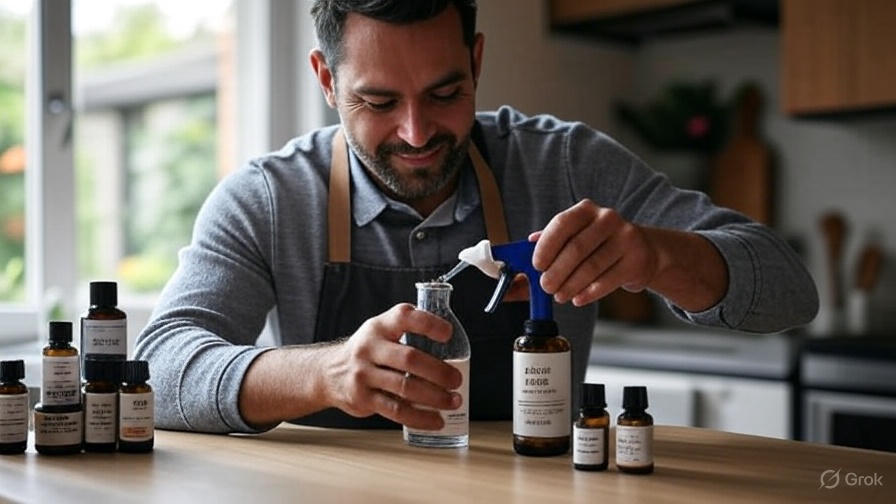
- 1 teaspoon cold-pressed neem oil
- 1 teaspoon pure liquid castile soap (or mild dish soap)
- 1 liter of lukewarm water
Mix thoroughly in a spray bottle. Shake well before each use. Spray all parts of the plant — especially the undersides of leaves — every 3–4 days for two weeks. Then switch to weekly maintenance sprays. Always do a patch test on one leaf 24 hours before full application.
Disclosure: As an Amazon Associate, we earn from qualifying purchases.
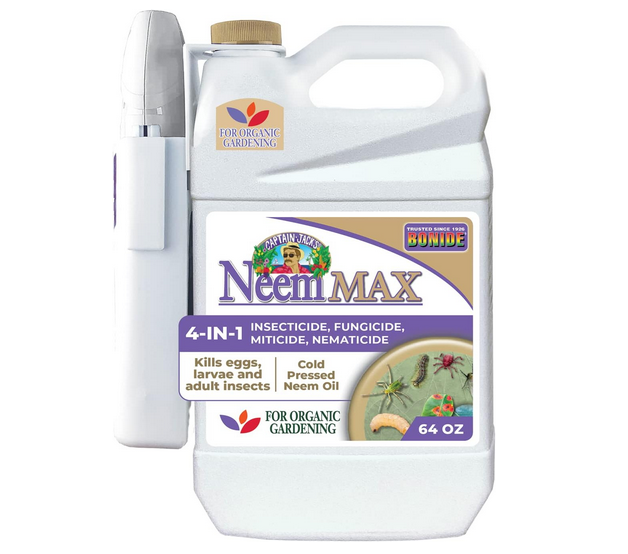
The Most Popular Natural Solution for Plant Pests
Neem oil sprays are commonly used on houseplants to help control aphids, spider mites, whiteflies, and other common indoor plant pests naturally
Check Price on Amazon2. Insecticidal Soap Spray
This is one of the fastest ways to kill soft-bodied pests like aphids and mealybugs on contact.
Detailed Recipe:
- 1–2 tablespoons pure castile soap
- 1 liter of water
For stronger action, you can add a few drops of neem oil. Spray directly on pests. The soap breaks down their protective coating, causing them to dehydrate and die. Repeat every 2–3 days until the infestation is gone.
3. Isopropyl Alcohol Solution (70%)
Extremely effective against mealybugs, scale insects, and spider mites.
How to Use:
- Mix 1 part 70% isopropyl alcohol with 3–4 parts water.
- For spot treatment: apply with a cotton swab directly on visible pests.
- For light infestations: lightly mist the plant.
This method works instantly on contact but should be used carefully on sensitive plants.
4. Horticultural Oil Spray
Excellent for smothering spider mites, scale, and aphids.
Recipe:
- 1 tablespoon horticultural oil (or neem oil)
- 1 teaspoon soap
- 1 liter water
Apply in the evening or when the plant is not in direct sunlight to avoid leaf burn. It creates a thin film that suffocates pests.
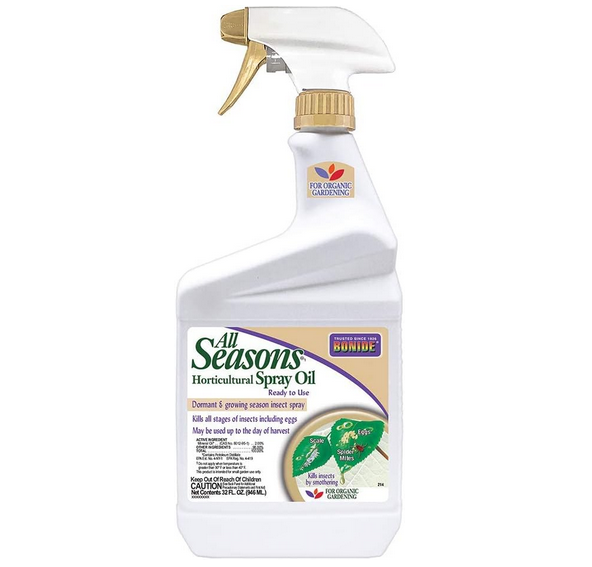
An Effective Way to Smother Soft-Bodied Plant Pests
Horticultural oils are commonly used to help control spider mites, scale insects, aphids, and whiteflies on indoor plants without harsh chemicals
Check Price on Amazon5. Manual Removal + Beneficial Insects
The most natural and sustainable long-term approach.
Methods:
- Wipe leaves regularly with a damp microfiber cloth or give plants a gentle shower.
- Use a strong spray of water to knock off pests.
- Introduce beneficial insects such as ladybugs or predatory mites (available online).
Comparison Table
| Rank | Remedy | Best For | Speed of Results | Safety Level | Cost | My Rating |
|---|---|---|---|---|---|---|
| 1 | Neem Oil Spray | Most common pests | 7–14 days | Excellent | Low | 9.5/10 |
| 2 | Insecticidal Soap | Aphids, mealybugs | 3–10 days | Excellent | Very Low | 9/10 |
| 3 | Alcohol Solution | Mealybugs, scale | Immediate | Good | Very Low | 8.5/10 |
| 4 | Horticultural Oil | Spider mites, scale | 7–14 days | Very Good | Low | 8/10 |
| 5 | Manual + Beneficials | Long-term prevention | Slow | Excellent | Medium | 7.5/10 |
Advanced Tips from My Experience
- Quarantine new plants for at least 2 weeks before placing them with your collection.
- Improve growing conditions — most pests thrive in dry air and stressed plants. Use a humidifier and proper watering.
- Clean the top layer of soil if you suspect fungus gnats.
- Rotate remedies if pests develop resistance (rare, but possible).
- Be consistent. Natural methods require patience and regular application.
FAQ
Can I use these remedies on edible plants like herbs?
Yes, but wash the leaves thoroughly before eating and stop spraying 1–2 weeks before harvest.
Are these safe around cats and dogs?
Generally yes, but keep pets away while spraying and until leaves are completely dry.
How do I prevent pests from returning?
Regular leaf cleaning, proper watering, good air circulation, and quarantining new plants are your best defenses.
Natural pest control for indoor plants takes more effort than chemical sprays, but the results are safer and often more sustainable. Your plants — and your family — will thank you.
Have you dealt with indoor plant pests before? Which natural remedy worked best (or worst) for you?
Share your story in the comments — I read every single one and love helping fellow plant parents.
Welcome to my pest control blog! I’m Dave Saunders, a seasoned pest management specialist with over 20 years of experience helping homeowners and businesses across the United States. My journey began in the sunny landscapes of California, where I honed my skills tackling a wide range of pests, from ants to spiders. Over the years, I’ve expanded my expertise to Florida and numerous other states, adapting to diverse climates and pest challenges.
With a deep passion for eco-friendly solutions, I’ve dedicated my career to providing practical, safe, and effective pest control methods. Whether it’s crafting natural repellents or sharing integrated pest management strategies, my goal is to empower you with the knowledge to maintain a pest-free home. Join me as I share insights from two decades in the field!
