
Hey everyone, Dave Saunders here.
If you’re a plant lover like me, there’s nothing more frustrating than seeing a trail of ants marching up the side of your favorite potted monstera or fiddle leaf fig. You’ve spent months (sometimes years) nurturing that plant, and now these tiny invaders are ruining everything — stealing nutrients, stressing the roots, and sometimes even bringing aphids with them.
I’ve dealt with this problem more times than I can count, both with my own indoor jungle and with clients who were devastated to see ants taking over their beloved houseplants. Today I’m sharing the complete natural system I use to remove ants from potted plants safely and effectively — without chemicals that could harm your plants or indoor air.
Quick Answer
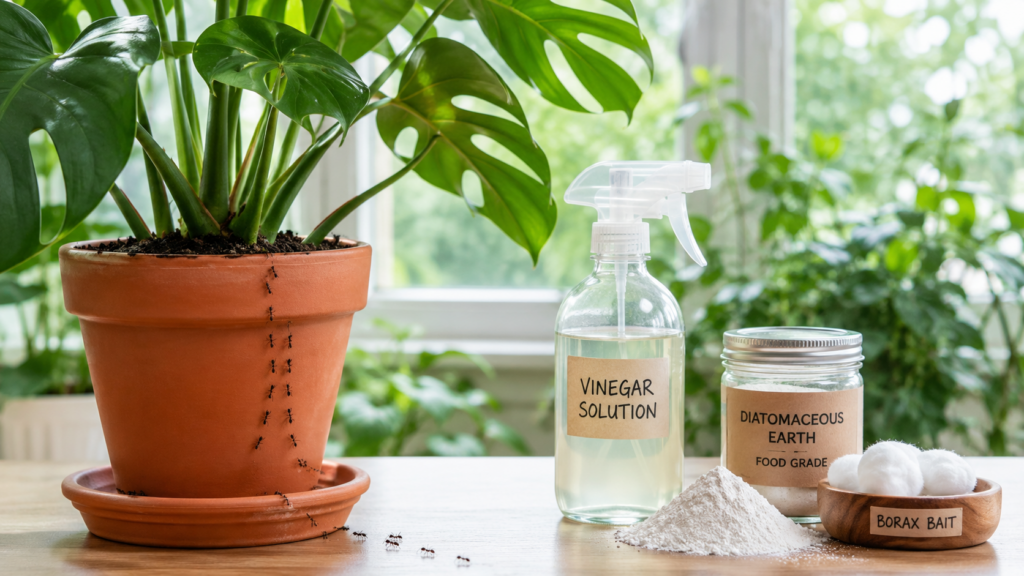
The most effective way to remove ants from potted plants is to break their trail, eliminate food sources, treat the soil, and create a barrier. Using a combination of vinegar cleaning, diatomaceous earth, and targeted baits usually solves the problem within 5–10 days. The key is consistency and treating both the visible ants and the hidden colony.
👉 Save this guide — ants in potted plants almost always come back if you only treat the symptoms.
Why Ants Love Your Potted Plants
Ants don’t usually eat your plants. They’re after something much sweeter — honeydew, the sugary waste produced by aphids, mealybugs, and scale insects. Once ants find a steady supply of honeydew, they “farm” these pests, protecting them from natural predators in exchange for food.
They also love moist soil and the stable environment of a pot. A single overlooked aphid colony can bring hundreds of ants into your home.
My Personal Experience
Last winter I had a serious ant problem with three of my plants — a large monstera, a bird of paradise, and a calathea. The ants were crawling up the pots and into the drainage holes. I tried just wiping the trails at first, but they kept returning stronger. It took me almost two weeks of consistent treatment to finally win. That experience taught me that half-measures don’t work with ants in pots. You have to be thorough.
I’ve also helped a client who had ants in over 20 potted plants on her balcony. We solved it completely in 12 days using the system below.
Disclosure: As an Amazon Associate, we earn from qualifying purchases.
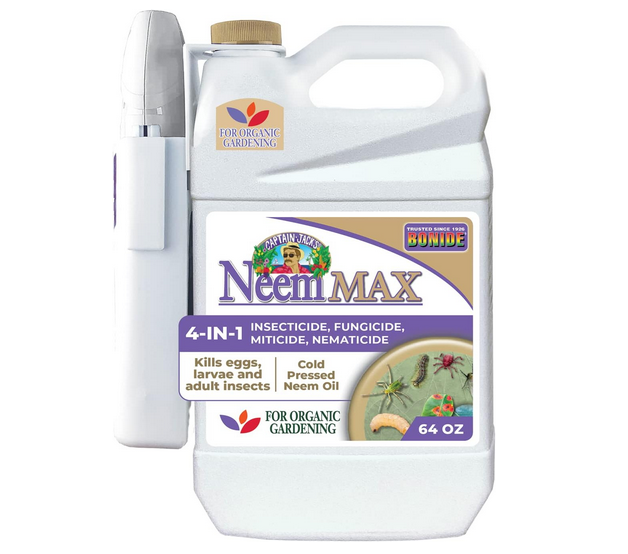
A Natural Spray Often Used for Aphids
Neem oil sprays are commonly used on indoor plants to help control aphids without harsh chemical treatments.
Check Price on AmazonMy Complete 7-Step Natural System to Remove Ants from Potted Plants
Step 1: Isolate the Plants
Immediately move all infested plants away from your other houseplants. This stops the ants from spreading the problem. I usually put them in the bathroom or on a balcony during treatment.
Step 2: Break the Scent Trails
Mix equal parts white vinegar and water in a spray bottle. Thoroughly spray the pot, saucer, stems, and leaves. Vinegar erases the pheromone trails ants use to navigate. Do this every day for the first week.
Step 3: Flush the Soil
Take the plant to the sink or bathtub and water it heavily until water runs out the bottom. This helps flush out ants hiding in the soil. Let it drain completely.
Step 4: Apply Diatomaceous Earth
Sprinkle food-grade diatomaceous earth on the surface of the soil and around the base of the pot. It dehydrates ants that crawl over it. Reapply after watering or every 5–7 days.
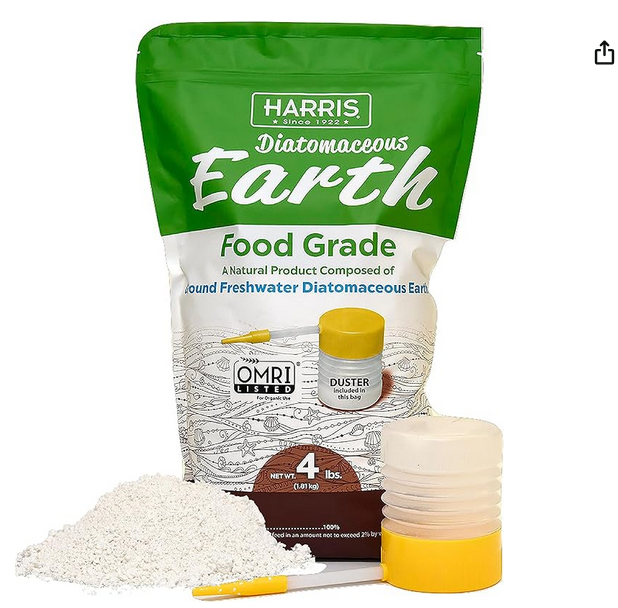
A Natural Powder Often Used for Carpenter Ants
Food-grade diatomaceous earth is commonly applied in dry wall gaps, crawl spaces, and baseboard areas where carpenter ants travel indoor
Check Price on AmazonStep 5: Use Targeted Natural Baits
For sugar ants, use this safe bait:
- ½ cup warm water
- 2 tablespoons sugar
- 1 tablespoon borax
- A few drops of dish soap
Soak cotton balls and place them on the soil or saucer (away from the main stem if possible). Replace every 2–3 days.
Step 6: Treat the Actual Pests (Aphids, Mealybugs, etc.)
Ants are usually there because of other insects. Use insecticidal soap spray or neem oil on the leaves to eliminate the food source.
Step 7: Repot if Necessary
If the infestation is severe or the soil is very infested, repot the plant in fresh, sterile soil. Clean the pot thoroughly with vinegar before repotting.
Comparison Table: Natural Methods for Ants in Potted Plants
| Method | Speed | Effectiveness | Plant Safety | Ease of Use | My Rating |
|---|---|---|---|---|---|
| Vinegar Trail Cleaning | Immediate | Very Good | Excellent | Very Easy | 9/10 |
| Diatomaceous Earth | 5–10 days | Excellent | Excellent | Easy | 9/10 |
| Borax Bait | 3–10 days | Excellent | Good* | Easy | 9.5/10 |
| Insecticidal Soap | Fast | Very Good | Very Good | Easy | 8.5/10 |
| Repotting | Immediate | Excellent | Good | Medium | 8/10 |
*Keep borax baits away from pets and small children.
Pro Tips from 20 Years of Experience
- Check the bottom of the pot — ants often enter through drainage holes.
- Never let saucers sit with water — this attracts ants.
- Wipe the outside of pots weekly with vinegar water.
- Quarantine new plants for 2–3 weeks.
- Improve airflow around your plants — stagnant air encourages pests.
FAQ
How long does it take to completely remove the ants?
Usually 7–14 days with consistent treatment. The colony dies once the queen is affected.
Is borax safe to use near my plants?
Yes, when used in small bait stations on the soil surface.
Can ants damage my plants?
They don’t eat the leaves, but they stress the plant and protect harmful pests like aphids.
What if the ants keep coming back?
You probably missed an entry point or a food source. Check again thoroughly.
Removing ants from potted plants naturally takes patience and consistency, but it’s very doable. The combination of cleaning trails, using barriers, and eliminating the food source is what delivers lasting results.
Have you had ants in your potted plants before? What worked for you?
Share your experience in the comments below — I read every single one and often reply with extra personalized advice.
Welcome to my pest control blog! I’m Dave Saunders, a seasoned pest management specialist with over 20 years of experience helping homeowners and businesses across the United States. My journey began in the sunny landscapes of California, where I honed my skills tackling a wide range of pests, from ants to spiders. Over the years, I’ve expanded my expertise to Florida and numerous other states, adapting to diverse climates and pest challenges.
With a deep passion for eco-friendly solutions, I’ve dedicated my career to providing practical, safe, and effective pest control methods. Whether it’s crafting natural repellents or sharing integrated pest management strategies, my goal is to empower you with the knowledge to maintain a pest-free home. Join me as I share insights from two decades in the field!
