
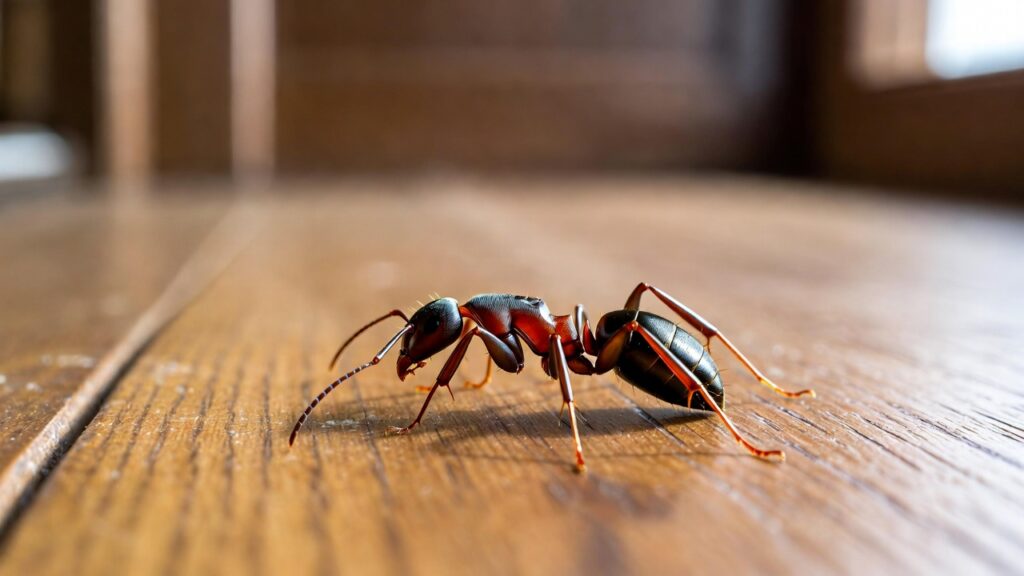
Hey there, friends! It’s Dave Saunders, your trusted pest control expert with over 20 years battling bugs from the humid swamps of Florida to the dry hills of California and everywhere in between. On this blog, I dish out real-world, hands-on advice to help you keep your home pest-free without breaking the bank or relying on harsh chemicals. Today, we’re tackling a big one that shows up in homes across the US every spring and summer: how to get rid of carpenter ants in house naturally 2026.
Carpenter ants aren’t just annoying trail-followers like sugar ants—they chew through wood, creating tunnels and weakening structures. From my fieldwork spotting frass (that sawdust-like pile) under windowsills and in damp basements, I’ve seen how a small colony can turn into serious damage if ignored. The good news? You can fight back effectively using natural, DIY methods that target the whole colony, not just the scouts you see marching across your counter.
In this guide, I’ll walk you through understanding these wood-destroyers, proven natural remedies, prevention steps, and more—all pulled from my on-the-job experience and trusted approaches that work in 2026’s varying climates. Let’s send those carpenter ants packing and protect your home the smart, eco-friendly way!
Understanding Carpenter Ants and Why They Invade Your Home
Carpenter ants (Camponotus species) don’t eat wood—they excavate it to build nests, preferring moist, decaying, or softened areas like around leaky pipes, roof leaks, or old tree stumps touching your foundation. In humid regions like the Southeast or Pacific Northwest, they thrive indoors; in drier spots like the Southwest, they often satellite from outdoor parent nests.
You’ll spot large black or reddish ants (workers up to ½ inch), curved frass piles (like fine sawdust mixed with insect parts), and rustling sounds in walls at night. Unlike termites, their damage is clean tunnels without mud tubes. The queen and colony live in the main nest (often outside), while satellite nests inside cause the visible activity.
First step: act fast. Ignoring them lets the colony grow, but natural methods work best when you hit both trails and the source. From client homes in the Midwest to coastal properties, prompt action cuts damage and clears them out without toxic sprays.
Disclosure: As an Amazon Associate, we earn from qualifying purchases.
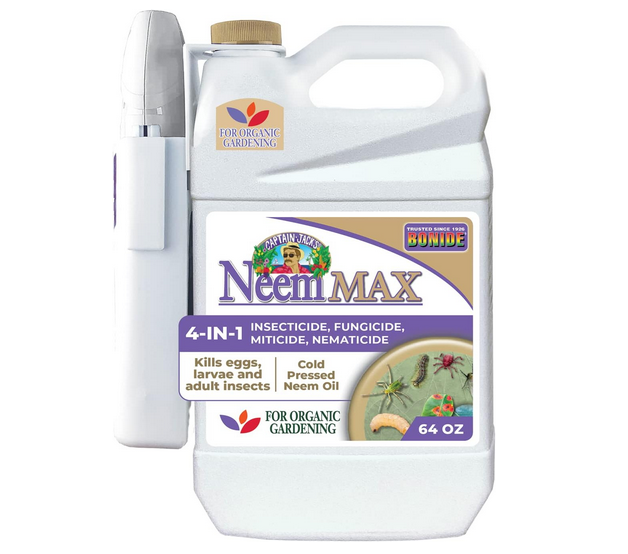
A Natural Spray Often Used for Aphids
Neem oil sprays are commonly used on indoor plants to help control aphids without harsh chemical treatments.
Check Price on AmazonImmediate Steps to Minimize the Infestation
Start with inspection and sanitation to make your home less inviting.
- Locate trails and entry points: Follow the ants at dusk when they’re most active. Check windows, doors, baseboards, and plumbing penetrations.
- Clean up attractants: Wipe counters, seal food in airtight containers, fix leaks, and remove standing water or damp wood.
- Vacuum visible ants: Use a shop vac with a HEPA filter to suck up workers on trails—this reduces numbers quickly without chemicals.
These basics disrupt pheromone trails and buy time while natural treatments kick in.
Harnessing Natural Remedies to Eliminate Carpenter Ants
Here are the most reliable natural methods I’ve used and recommended over the years—focusing on baits that reach the colony, barriers that repel, and desiccants that kill on contact.
Borax-based bait (the colony killer)
Mix 1 part borax (20 Mule Team from the laundry aisle) with 3 parts powdered sugar or honey/water mix. Place in shallow lids or on cotton balls near trails (not directly on the nest). Workers carry it back to feed the queen and larvae—borax disrupts their digestion over days/weeks. Refresh every few days. This is my go-to for indoor infestations; it’s slow but thorough.
Diatomaceous earth (food-grade)
Sprinkle a thin line along trails, cracks, baseboards, and entry points. This fossilized powder scratches exoskeletons, dehydrating ants on contact. Reapply after cleaning or rain. Safe around kids/pets when used dry—great for sealing voids.
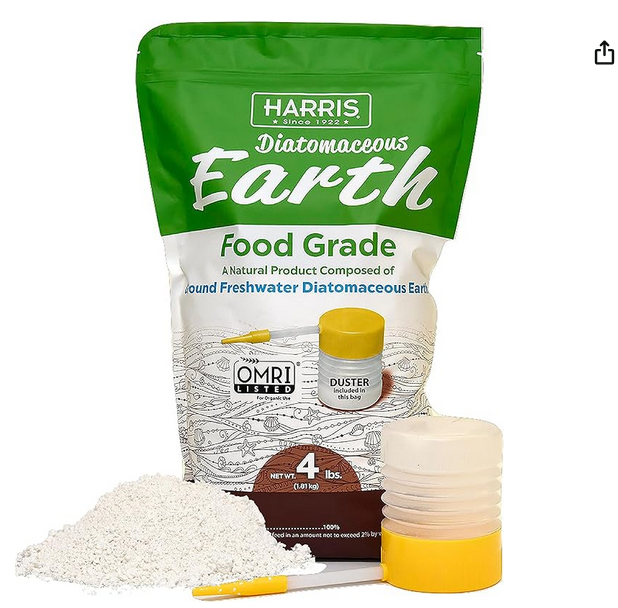
A Natural Powder Often Used for Carpenter Ants
Food-grade diatomaceous earth is commonly applied in dry wall gaps, crawl spaces, and baseboard areas where carpenter ants travel indoor
Check Price on AmazonVinegar spray
Mix equal parts white vinegar and water (add a few drops of dish soap for sticking power). Spray directly on trails, entry points, and visible ants to erase pheromone trails and kill on contact. Reapply daily—it’s a strong repellent but won’t wipe out the colony alone.
Essential oil barriers
Peppermint, tea tree, or citrus oils (10–15 drops in 2 cups water + a bit of dish soap). Spray around windows, doors, and trails. Ants hate the strong scents and avoid treated areas. Refresh every few days—works well as a preventive in drier climates.
Boiling water (for outdoor nests)
If you find an exterior nest (in stumps or soil), pour several liters of boiling water directly in. Repeat 2–3 times. Add soap or citrus oil for extra punch. Use caution—only outdoors!
From Southeast humidity to Midwest winters, combining bait with barriers gives the best results—bait kills the source, repellents stop reinforcements.
Prevention Tactics to Keep Carpenter Ants Out for Good
The best “cure” is stopping them before they settle.
- Fix moisture issues: Repair leaks, improve ventilation in basements/crawl spaces, clean gutters, and divert water away from foundation.
- Trim vegetation: Cut tree branches/shrubs touching your home—they act as highways.
- Seal entry points: Caulk cracks, install door sweeps, screen vents, and flash properly around windows/doors.
- Remove wood debris: Clear firewood piles, stumps, and rotting lumber at least 18 inches from the house.
- Regular inspections: Check for frass piles yearly, especially in spring swarm season.
These steps, honed from cross-state jobs, make your home unappealing and reduce future invasions dramatically.
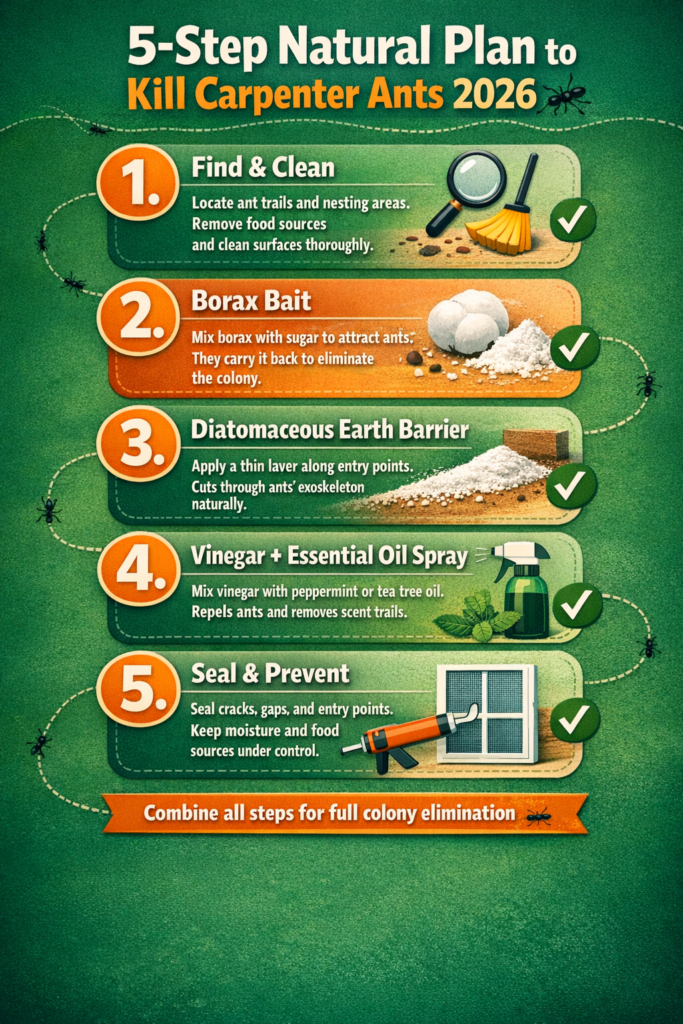
Comparing Effective Natural Remedies for Carpenter Ants
To help you pick the right tool for your situation, here’s a table based on my hands-on testing and client results in various US regions:
| Remedy | Application Method | Time to See Results | Key Benefits | Considerations |
|---|---|---|---|---|
| Borax + Sugar Bait | Place in lids/cotton balls near trails | 1–3 weeks | Targets whole colony, including queen | Slow-acting; keep away from pets/kids |
| Diatomaceous Earth | Dust along trails & cracks | 3–7 days | Kills on contact, long-lasting barrier | Reapply after vacuuming; use food-grade |
| Vinegar Spray | Spray trails & entry points | Immediate–few days | Erases trails, repels quickly | Strong smell; not colony-killer alone |
| Peppermint/Tea Tree Oil | Spray diluted around perimeter | Immediate–few days | Natural repellent, pleasant scent | Needs frequent reapplication |
| Boiling Water (outdoor) | Pour directly into visible nest | 1–3 applications | Fast for accessible outdoor nests | Outdoor only; risk of burns |
This comparison shows baits excel for elimination, while sprays/dusts shine for quick relief and prevention—combine for maximum impact.
Aftercare and Monitoring for a Pest-Free Home
After treatments, monitor trails weekly for activity. Vacuum any stragglers and refresh baits/barriers. Keep the home dry and clean—moisture control is 80% of long-term success.
If frass keeps appearing or you hear rustling after 3–4 weeks, the main nest may be deeper—consider a pro inspection to avoid structural issues.
When Professional Help Is Needed
Natural methods handle minor to moderate infestations well, but large colonies in walls or multiple satellites often need expert tools (like dust injections). If damage is visible or ants persist despite efforts, call a local pro—better safe than sorry with wood-destroyers.
Final Tips for a Carpenter Ant-Free Future
There you have it—a complete, natural playbook for how to get rid of carpenter ants in house naturally 2026, blending my 20+ years of real-world pest fighting with practical, safe steps. Focus on the colony with baits, disrupt with barriers, and prevent with moisture fixes—you’ll see those trails disappear and your home stay strong.
Tried any of these? Drop your stories or photos in the comments—I love hearing what works in your neck of the woods and tweaking advice accordingly. Stay ant-free and home-strong, friends! 💪🪲→🚫
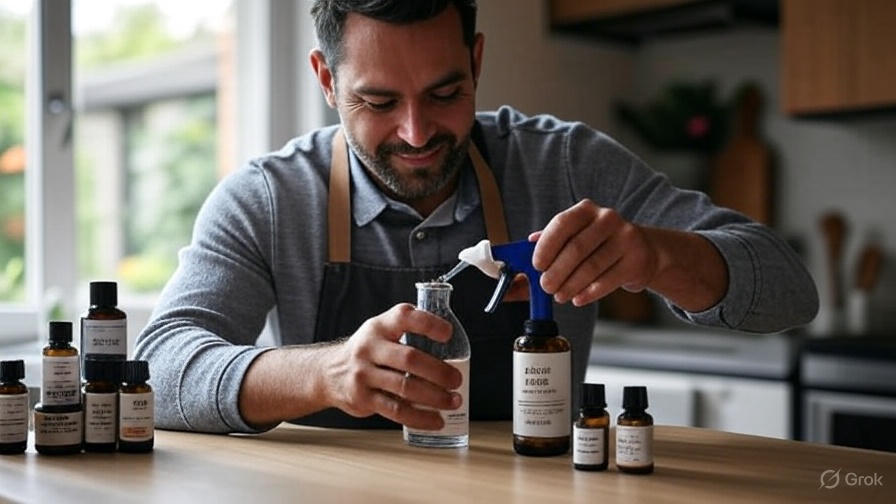
Welcome to my pest control blog! I’m Dave Saunders, a seasoned pest management specialist with over 20 years of experience helping homeowners and businesses across the United States. My journey began in the sunny landscapes of California, where I honed my skills tackling a wide range of pests, from ants to spiders. Over the years, I’ve expanded my expertise to Florida and numerous other states, adapting to diverse climates and pest challenges.
With a deep passion for eco-friendly solutions, I’ve dedicated my career to providing practical, safe, and effective pest control methods. Whether it’s crafting natural repellents or sharing integrated pest management strategies, my goal is to empower you with the knowledge to maintain a pest-free home. Join me as I share insights from two decades in the field!
