
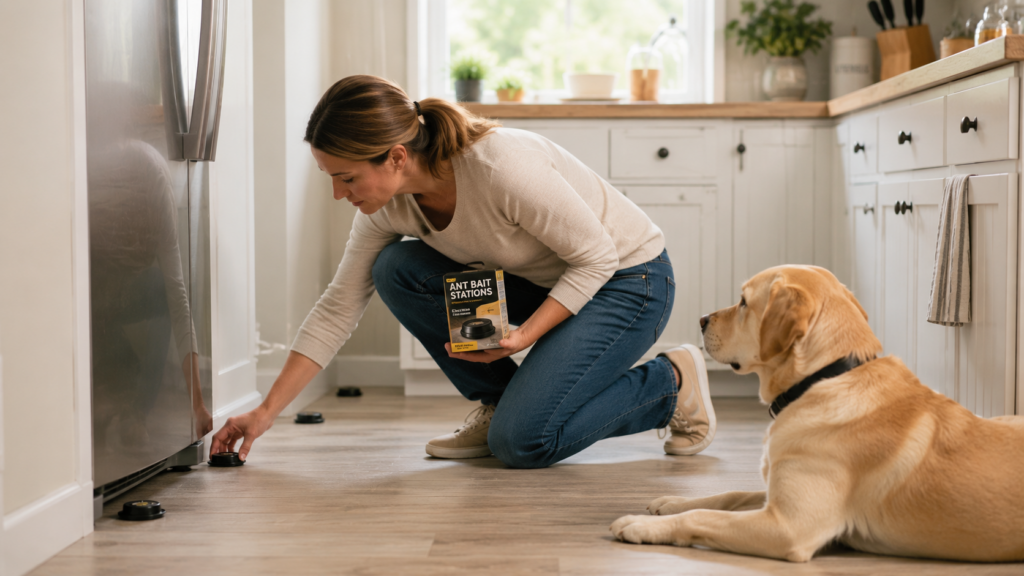
What’s going on everybody, Dave Saunders here. Over the years, one of the most common questions I get from pet owners is: “Dave, I have ants (or roaches), but I’m scared to use baits because of my dog/cat. What can I do?”
It’s a valid concern. Many baits contain ingredients that are toxic to pets if eaten in large enough quantities. At the same time, doing nothing often leads to a much worse infestation. So today I want to share exactly how I help families safely use baits when they have dogs, cats, birds, or other pets in the house.
Quick Answer
You can safely use baits around pets if you choose the right type, place them properly, and take a few simple precautions. The key is using enclosed bait stations and keeping them completely out of reach. Most responsible pet owners can control pests this way without putting their animals at risk.
My Personal Experience with Pets and Baits
I learned this lesson the hard way back in 2015. A client had a German Shepherd and a bad ant problem. I set up regular borax baits without using stations. The dog found one, chewed it up, and got very sick. Thankfully he recovered, but it was a wake-up call for me.
Since then, I’ve become extremely careful when recommending baits in homes with pets. The good news is that with the right approach, it’s very safe.
Types of Baits and Their Safety Level
1. Borax / Boric Acid Baits
Most common for sugar ants and roaches.
Safety: Moderately toxic if eaten in quantity.
Best practice: Always use in tamper-resistant enclosed stations.
2. Gel Baits (like Advion, Combat, etc.)
Very effective for roaches and ants.
Safety: Usually safer than loose powder because the gel is contained, but pets can still chew the station.
3. Liquid Baits Popular for ants.
Safety: Higher risk because pets can lick spilled liquid.
4. Protein-based Baits
Used for protein-loving ants and roaches.
Safety: Same rules apply — must be in stations.
Disclosure: As an Amazon Associate, we earn from qualifying purchases.
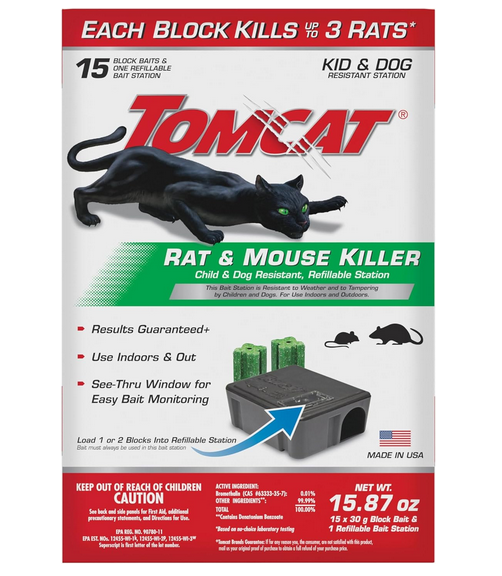
Pet-Safe Bait Stations for Indoor Pest Control
Enclosed bait stations help reduce accidental contact while targeting ants and other crawling insects indoors.
Check Price on AmazonMy Safe 6-Step System for Using Baits with Pets
Step 1: Choose the Right Bait Stations
Never use open baits or loose powder if you have pets. Invest in good quality tamper-resistant bait stations (I recommend brands like Combat, Terro, or Rockwell). These are designed so that small pets can’t easily access the bait.
Step 2: Place Baits Out of Reach
- Behind heavy appliances (fridge, stove, dishwasher)
- High on shelves or inside cabinets (if pets can’t jump)
- Under sinks with child/pet locks on cabinets
- Along baseboards where pets don’t usually go
Step 3: Use the “Divide and Conquer” Method
Instead of placing many baits at once, start with just 4–6 stations in key areas. Monitor for 3–4 days. This reduces the total amount of bait available if something goes wrong.
Step 4: Monitor Your Pets Closely
For the first week after placing baits:
- Watch for any change in behavior, vomiting, diarrhea, or excessive thirst
- Keep pets out of the kitchen during treatment if possible
Step 5: Combine Baits with Non-Toxic Methods
Don’t rely only on baits. Use:
- Vinegar cleaning to remove scent trails
- Diatomaceous earth in safe areas
- Sealing cracks and entry points
Step 6: Clean Up Properly
Once the infestation is under control, remove all bait stations. Don’t leave them out indefinitely.
Comparison Table: Bait Safety Around Pets
| Bait Type | Safety with Dogs | Safety with Cats | Best Placement | My Rating |
|---|---|---|---|---|
| Enclosed Borax Stations | Good | Very Good | Behind appliances, high shelves | 9/10 |
| Gel Baits | Good | Good | Inside cabinets | 8.5/10 |
| Liquid Baits | Moderate | Poor | Avoid if possible | 5/10 |
| Open Powder Baits | Poor | Very Poor | Never use with pets | 2/10 |
Real Client Story
Last year I worked with a family that had two cats and a serious sugar ant problem in their kitchen. The wife was terrified of using any bait. We used enclosed stations placed high behind the refrigerator and inside lower cabinets with child locks. We also did thorough vinegar cleaning and used diatomaceous earth in safe zones. Within 10 days the ants were gone, and neither cat showed any interest in the stations. The family still uses the same prevention routine today.
Important Safety Rules
- Never place baits where pets can reach them
- If you have a chewer or very curious pet, consider non-bait methods first (vinegar, DE, sealing)
- Keep all bait packaging and unused product away from pets
- If you suspect your pet has eaten bait, contact your veterinarian or pet poison hotline immediately
Final Thoughts
Having pets doesn’t mean you have to live with pests. With the right precautions and proper placement, baits can be used safely and effectively. The key is never taking shortcuts when animals are involved.
If you have pets and are dealing with ants, roaches, or other bugs right now, feel free to tell me about your situation in the comments. I’ll try to give you the safest possible recommendations based on your specific pets.
Welcome to my pest control blog! I’m Dave Saunders, a seasoned pest management specialist with over 20 years of experience helping homeowners and businesses across the United States. My journey began in the sunny landscapes of California, where I honed my skills tackling a wide range of pests, from ants to spiders. Over the years, I’ve expanded my expertise to Florida and numerous other states, adapting to diverse climates and pest challenges.
With a deep passion for eco-friendly solutions, I’ve dedicated my career to providing practical, safe, and effective pest control methods. Whether it’s crafting natural repellents or sharing integrated pest management strategies, my goal is to empower you with the knowledge to maintain a pest-free home. Join me as I share insights from two decades in the field!
