

If you garden in the Southeast, you know the battle. Fire ants colonize your lawn overnight. Japanese beetles skeletonize your roses. Mosquitoes turn evening watering into a blood sport. And somewhere under your tomatoes, an army of cutworms is planning tonight’s offensive.
The temptation is strong: reach for the strongest chemical spray and declare war. But at PestFree Atlanta, we’ve learned through thousands of property visits that the most effective pest control isn’t about nuking everything that crawls — it’s about strategy. It’s called Integrated Pest Management, and it works as well in your garden as it does in commercial agriculture.
What Is Integrated Pest Management?
Integrated Pest Management (IPM) is a science-based decision-making process that combines multiple tools to manage pests economically and with minimal risk to people, property, and the environment. Think of it less as pest “control” and more as pest “management” — you’re not trying to eliminate every insect (which is impossible and ecologically destructive), but rather keeping populations below damaging levels.
The EPA recognizes IPM as the gold standard for pest management, and the approach has four pillars.
Pillar 1: Set Action Thresholds
Before you do anything, decide: how much damage can you tolerate? A single aphid on a rose bush doesn’t warrant action. Fifty aphids per stem? Now we have a problem.
Professional IPM practitioners set specific thresholds — a number that triggers intervention. For home gardeners, the threshold is simpler: are the pests causing visible damage that affects the plant’s health or your enjoyment of the garden? If not, observe and wait. Many pest problems resolve naturally when predator insects arrive.
Pillar 2: Monitor and Identify
Not every bug in your garden is an enemy. In fact, most insects in any landscape are either beneficial or neutral. Ladybugs, lacewings, praying mantises, parasitic wasps, and ground beetles are your unpaid pest control workforce. Spraying broad-spectrum chemicals kills them alongside the pests — often making your pest problem worse in the long run.
Get in the habit of walking your garden twice weekly with a critical eye. Look under leaves. Check stems. Know the difference between a squash bug egg cluster (remove immediately) and a ladybug larva (protect at all costs). The University of Georgia Extension service offers excellent photo guides for identifying common Southeastern garden pests and beneficials.
Pillar 3: Prevention First
This is where IPM really shines. Most pest problems can be prevented before they start:
Plant selection matters enormously. Choose varieties bred for disease resistance and adapted to our hot, humid climate. A stressed plant — one growing in the wrong soil, wrong light, or wrong zone — is a pest magnet. Healthy plants produce their own defensive compounds and can often shrug off minor infestations.
Cultural practices are your first line of defense. Crop rotation prevents soil-borne pests from building up. Proper spacing improves air circulation and reduces fungal disease. Mulching suppresses weeds (which harbor pests) and moderates soil temperature. Watering at the base of plants rather than overhead keeps foliage dry and less hospitable to fungal pathogens.
Physical barriers work surprisingly well. Floating row covers exclude cabbage moths and squash vine borers. Copper tape repels slugs. Cardboard collars around seedlings stop cutworms. These simple interventions cost pennies and involve zero chemicals.
Companion planting has scientific backing. Marigolds release thiopenes that suppress root-knot nematodes. Nasturtiums act as trap crops for aphids, drawing them away from your vegetables. Basil planted near tomatoes may repel thrips and tomato hornworms. While not every traditional companion planting claim holds up to scrutiny, the principle of biodiversity making your garden more resilient is solid ecology.
Pillar 4: Control — Starting with the Least Risky Options
When prevention isn’t enough and thresholds are exceeded, IPM uses a ladder of interventions, starting with the lowest risk:
Mechanical controls come first.Hand-pick tomato hornworms (they’re easy to spot and satisfying to remove). Blast aphids off plants with a strong jet of water. Use sticky traps for whiteflies. Prune out heavily infested branches and dispose of them — don’t compost pest-infested material.
Biological controls. leverage nature’s food web. You can purchase and release beneficial insects: ladybugs for aphids, predatory mites for spider mites, nematodes for soil-dwelling grubs and fleas. Bacillus thuringiensis (Bt) is a naturally occurring soil bacterium that’s lethal to caterpillars but harmless to humans, pets, and beneficial insects. It’s been used in organic agriculture for decades.
Botanical and low-toxicity products are the next step up. Neem oil disrupts insect feeding and reproduction. Insecticidal soaps kill soft-bodied pests on contact. Diatomaceous earth desiccates crawling insects. These products are effective when used correctly but degrade quickly in the environment — which is actually a feature, not a bug, since they don’t persist to harm beneficial species.
Conventional pesticides are the last resort in IPM, not the first response. If you must use them, choose targeted products rather than broad-spectrum killers. Apply them precisely where the pest is, not broadcast across the entire garden. Time applications for when pollinators aren’t active (early morning or late evening).
Why IPM Matters for Atlanta-Area Gardens
Our climate creates unique pest pressure. Warm winters mean fewer pests die off. High humidity favors fungal diseases. The long growing season gives pest populations more generations to build up. But these same conditions also support abundant beneficial insect populations and rapid plant growth that can outpace minor damage.
The most successful Atlanta gardeners we work with aren’t the ones with the most products in their shed. They’re the ones who understand their garden as an ecosystem — who know that a few holes in their kale leaves means the local cabbage white butterfly population is healthy, which means the parasitic wasps that control other pests have hosts to reproduce on.
Getting Started with IPM This Season
Start with one bed. Practice pest identification — get a hand lens and really look at what’s living in your garden. Set your thresholds. Try prevention first. Escalate only when needed.
You’ll use fewer chemicals, spend less money, and — most importantly — create a garden that’s genuinely healthier. That’s not just better pest control. That’s better gardening.
—
PestFree Atlanta provides professional integrated pest management services for residential and commercial properties throughout metro Atlanta. We believe the best pest control respects the balance of nature while protecting the spaces where you live and work.
Author bio: PestFree Atlanta provides professional integrated pest management services for residential and commercial properties throughout metro Atlanta. https://pestfreeatlanta.com
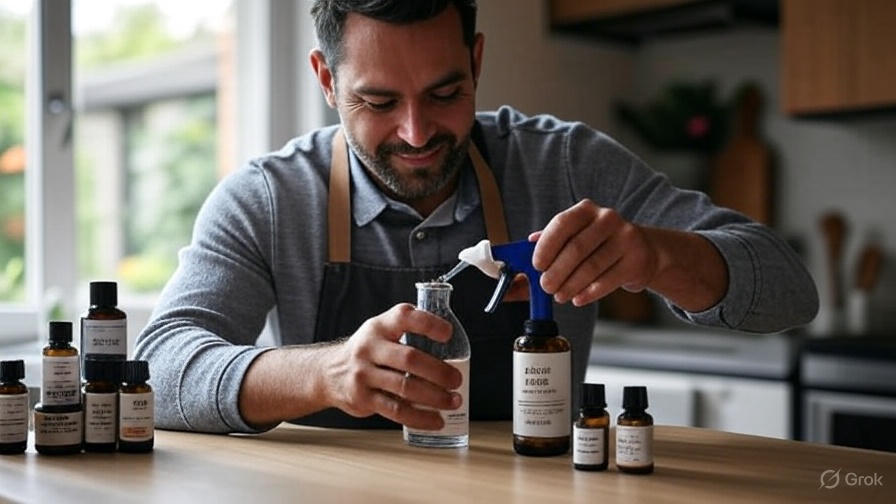
Welcome to my pest control blog! I’m Dave Saunders, a seasoned pest management specialist with over 20 years of experience helping homeowners and businesses across the United States. My journey began in the sunny landscapes of California, where I honed my skills tackling a wide range of pests, from ants to spiders. Over the years, I’ve expanded my expertise to Florida and numerous other states, adapting to diverse climates and pest challenges.
With a deep passion for eco-friendly solutions, I’ve dedicated my career to providing practical, safe, and effective pest control methods. Whether it’s crafting natural repellents or sharing integrated pest management strategies, my goal is to empower you with the knowledge to maintain a pest-free home. Join me as I share insights from two decades in the field!
